
The Fremont Orthopaedics Nurse Practitioner Team

The Fremont Orthopaedics Nurse Practitioner Team

Providing same or next-day specialized orthopaedic evaluations

http://www.fremontorthodocs.com/wp-content/uploads/2017/07/cropped-icon.jpg

by Fremont Orthopedics Staff

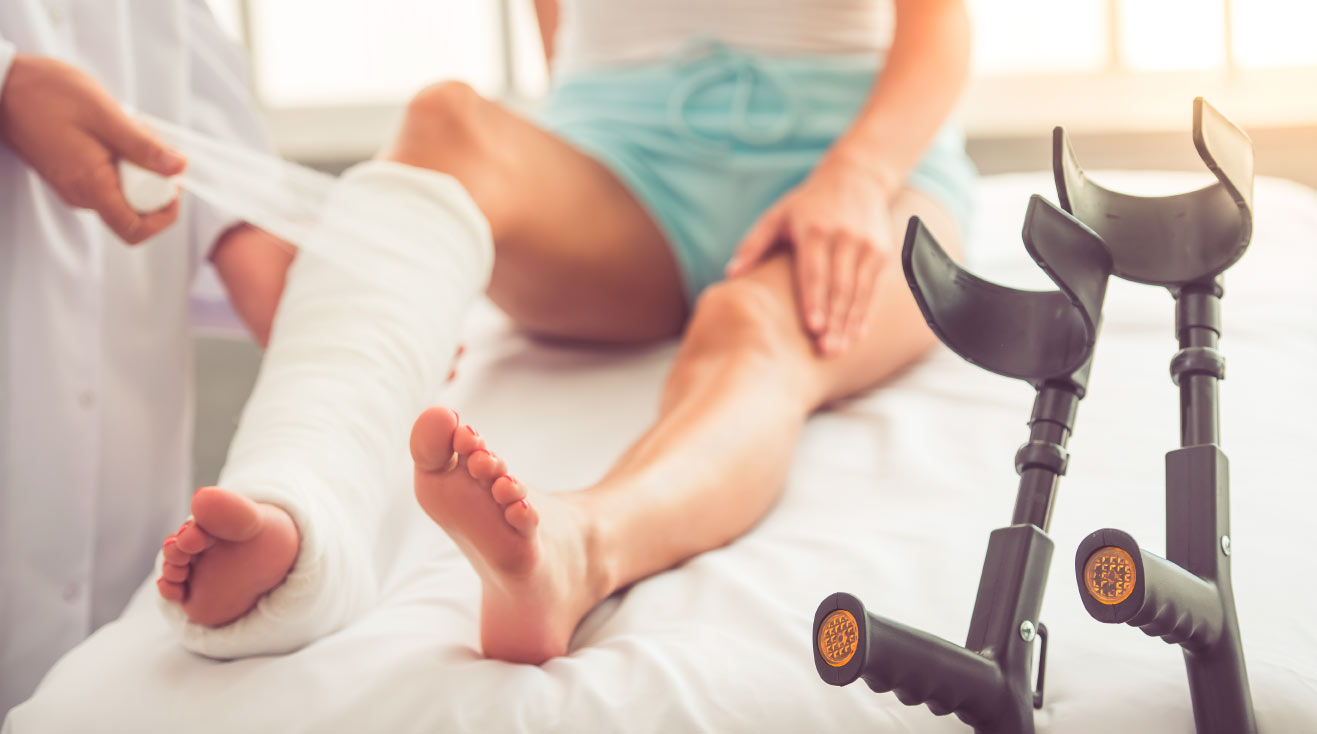
At Fremont Orthopaedics in both Lander and Riverton, our nurse practitioners are here to help make specialized orthopaedic care accessible to patients. Our two nurse practitioners, Jesse Morse-Brady and Brittany Cox, offer comprehensive non-surgical orthopaedic care to patients of all ages. They are frequently able to offer same-day or next day appointment availability for patients with urgent injuries and musculoskeletal pain. Jesse Morse-Brady, DNP, and Brittany Cox, DNP, both work closely with our surgeons, Dr. Cory Lamblin and Dr. Ben Francisco to provide a wide range of outpatient orthopaedic care. Jesse and Brittany see patients for the treatment of acute injuries such as fractures, muscle, and tendon injuries, as well as the management of chronic bone and joint diseases, such as arthritis and osteoporosis. Clinical evaluations with our providers involve specialized orthopaedic examinations and may include ordering and interpreting diagnostic imaging (such as x-rays, CTs, and MRIs), to guide the development of customized treatment plans for all patients. Jesse and Brittany perform casting, splinting, bracing, joint and soft tissue injections. They also perform minimally invasive procedures such as suturing, cyst or abscess drainage, and toenail removal.  They can also send referrals for specialized services, such as physical therapy, occupational therapy, and further diagnostic testing. When patients require surgical care, Jesse and Brittany coordinate their arrangements for surgical procedures, assisting patients in preparing for and recovering from surgery. Unknown1c In addition to their orthopaedic experience, our nurse practitioner team has training and experience as family nurse practitioners. Jesse and Brittany’s family medicine background uniquely prepares them to work with patients to optimize their overall health and lifestyle. Jesse and Brittany offer consultation and treatment for osteoporosis to help patients reduce their fracture risks and maintain an active lifestyle.

Meet Our Nurse Practitioners
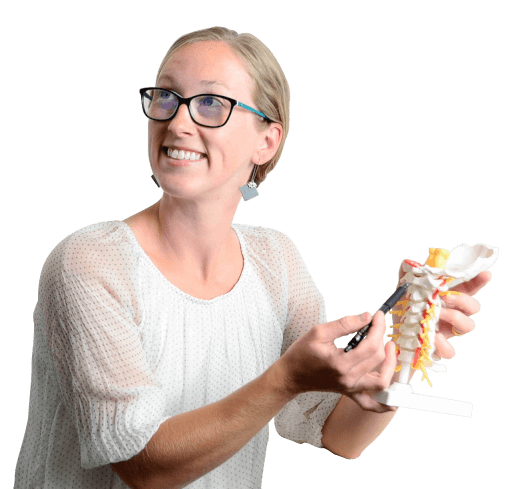
Jesse S. Morse-Brady, DNP, MS, FNP-BC

Jesse Morse-Brady, DNP

She has been caring for patients with Fremont Orthopaedics since the fall of 2019. Jesse is one of three nurse practitioners in Wyoming who holds a specialty certification in orthopaedics in addition to her board certification as a family nurse practitioner.  Jesse has a varied healthcare background, which includes an interest in public and global health. She has practiced in diverse settings, including internationally. She is passionate about working with patients to optimize their overall health and wellness as it relates to their orthopaedic diagnoses. “I love living in such an active community and being able to see my patients out doing what they love with improved mobility.” – Jesse Morse-Brady

Brittany Cox, DNP

She joined Fremont Orthopaedics in the summer of 2022, after obtaining her Doctor of Nursing practice at the University of Wyoming.  Brittany is a longtime Lander local who pursued a varied nursing career, working in outpatient surgery, school nursing, labor and delivery, and women’s health before choosing orthopaedics as the focus of her nurse practitioner practice.

“In orthopaedics we can provide interventions which allow people to access the best version of themselves; from decreasing pain to achieving fitness goals, overall improving the quality of daily life.” – Brittany Cox
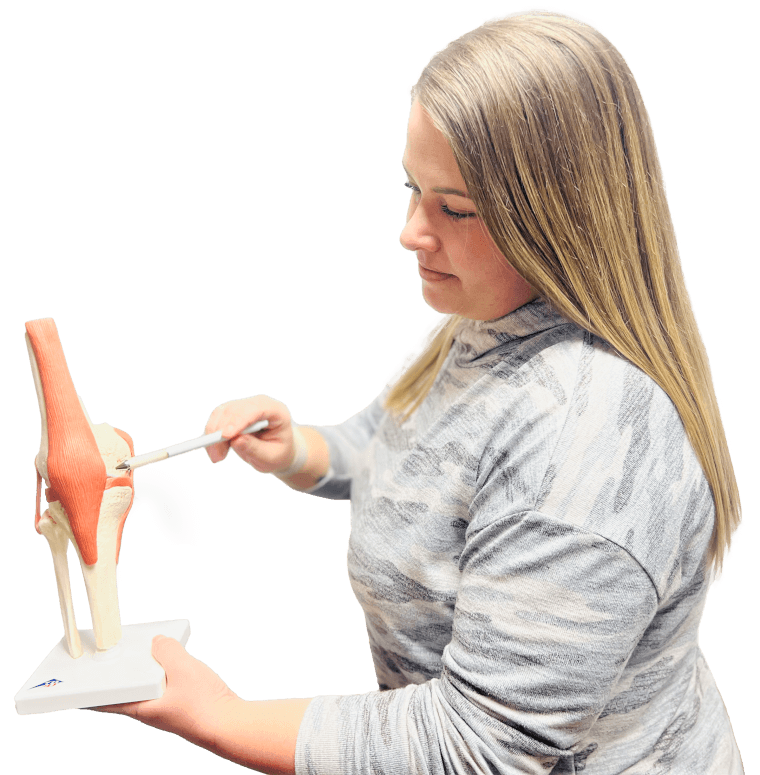
IMG-5005 Our orthopaedic team is passionate about providing care to our community, and we do our best to always be available to our patients in their times of need.  If you or your family are in need of musculoskeletal care, our nurse practitioners and surgeons are here to offer their compassion, expertise, and care with a local touch.

To schedule an appointment, Call us at 307-332-9720

What You Should Know About Treating Pediatric Fractures.

Pediatric Fractures

July 2019

What You Should Know About Treating Pediatric Fractures.

Fremont Orthopaedics, Orthopedics, Lander, Riverton

Fremont Orthopaedics Staff

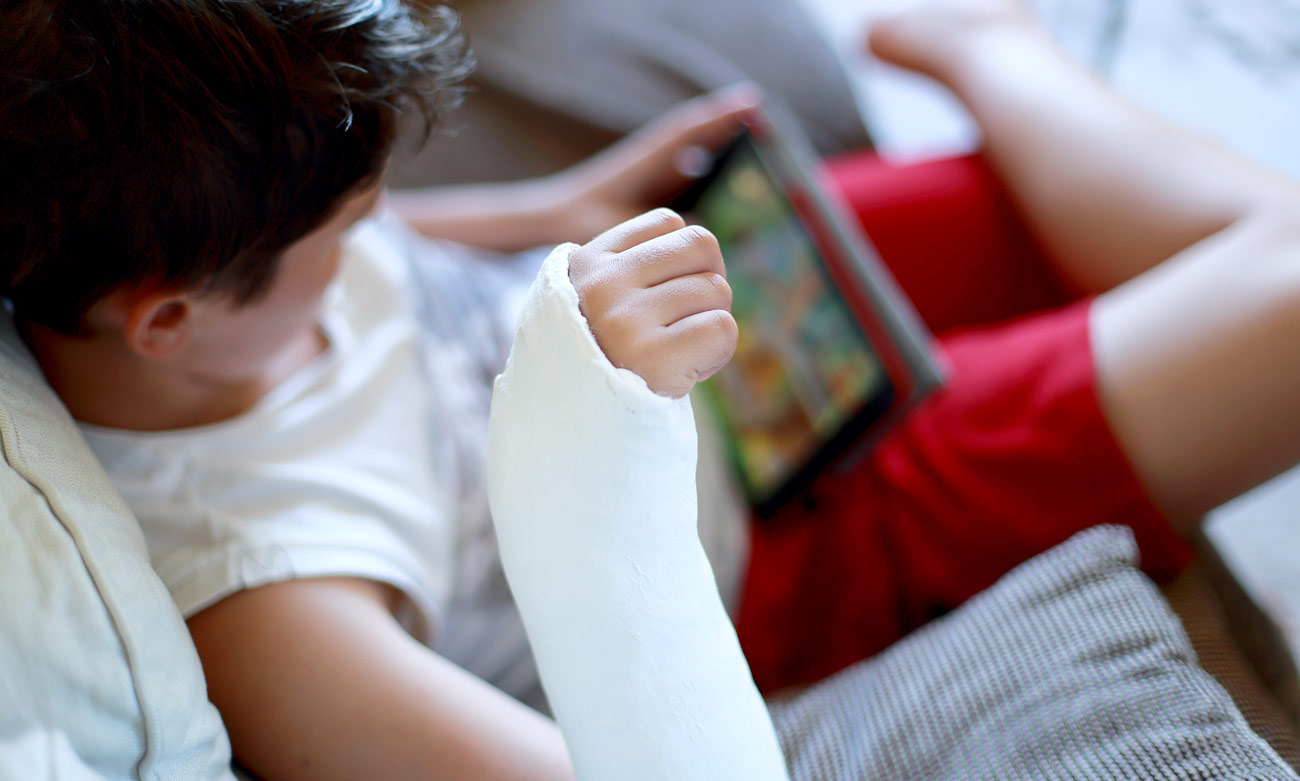
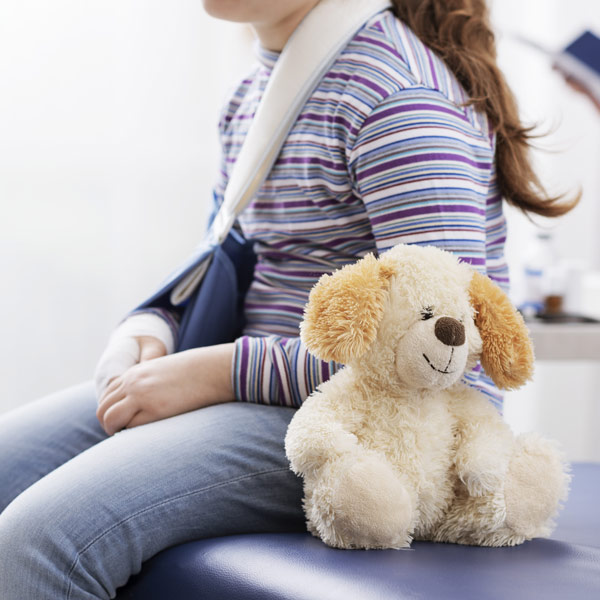
With summer in full swing, our doctors and staff are busy caring for patients with a variety of injuries. During the months of summer vacation, we tend to see more kiddos in our clinics with broken bones sustained during some summer fun activity.

Broken bones are also called fractures. A fracture is any complete or incomplete break in the bony structure of the skeleton. A fracture is not “a less severely broken bone”. Fractures occur in a variety of patterns depending on the cause of the injury and the health of the bone structure. Fractures are a common injury in children who are old enough to walk.

How does fracture treatment in kids vary from that of adults? 

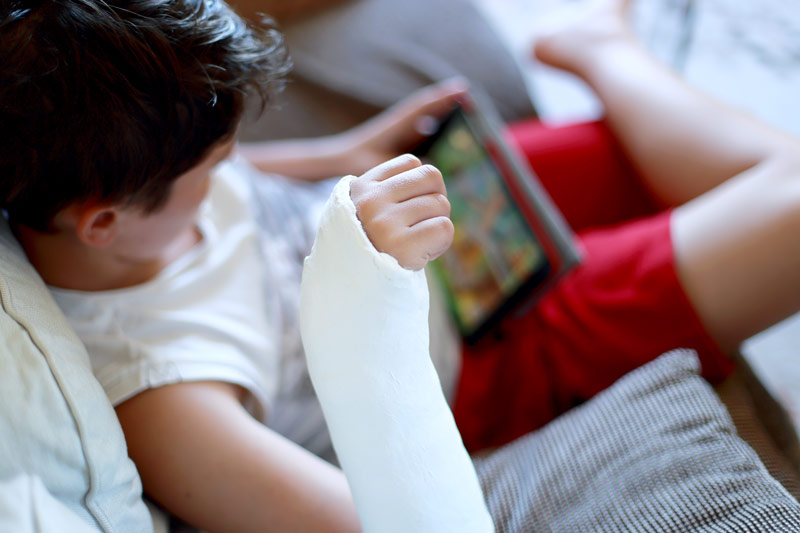
Fracture treatment in children is similar to adults in that the primary goal is to promote healing of the bone in a normal position. However, children are different than adults in that they have superior bone healing and remodeling capacity. Because of this, many pediatric bone fractures can be treated solely by external stabilization of the bone in a cast, splint, or brace. Some fractures require manipulation of the bone fragments into a more normal position before being placed in a cast or splint (this is known as “reduction”). Because of their bone healing capacities, children are less likely than adults to require an operation to stabilize the bone. However, some fractures require surgery because of their severity or location. Fractures that include a child’s growth plate are more likely to require surgical intervention and longer rehabilitation.

How to treat Pediatric Fractures

What can I do to treat my child’s pain?  

Fractures can be quite painful, especially in the first few days after an injury. The body responds to a broken bone by producing swelling and inflammation at the site of the fracture. The most effective way to treat pain is to combat the inflammation and swelling through icing and elevation of the injured limb.

ICING: Never apply ice to bare skin. Gel ice packs or bags of crushed ice wrapped in a clean towel work well. Ice the extremity for periods of 20-30 minutes. If it is difficult to apply ice because of a bulky cast or splint, it may be helpful to apply ice up higher on the injured limb, above the cast or splint.

ELEVATION: In a reclining position, use pillows to support the limb as high as comfortable above the level of your heart. Ideally, the injured limb will rest 6-20 inches above your heart.

MEDICATION: Medication can be helpful to alleviate the discomfort associated with a fracture. Tylenol (acetaminophen) administered every 4-6 hours can be very effective for pain relief. Administer Tylenol according to the dose recommended for the child’s age and weight on the bottle. Additionally, you may also administer occasional doses of children’s ibuprofen (Motrin) to supplement the Tylenol. For questions related to pediatric pain medication, consult a pediatrician or pharmacist. Both of these medications should be stored in a secure location, out of the reach of children. Overdose of these medications is very dangerous.

How to treat Pediatric Fractures

How long will a fracture take to heal?

Most simple fractures will heal in 6 weeks; younger children may heal fractures even sooner. More severe fractures, especially those involving joints and growth plates, can take up to three months or more for full healing to occur. Satisfactory healing of the bone in good alignment is monitored by examinations and x-rays over several months.

What things can I do to help my child’s fracture heal?  

Most children with broken bones heal remarkably well and experience minimal or no long-term effects from their fractures. The following tips may assist in bone healing and health:

ICE AND ELEVATE to limit swelling and inflammation during the first 3-7 days.

EATING A BALANCED DIET Help your child to eat a balanced and nutritious diet. Calcium and vitamin D are especially important nutrients for bone health.

STOP SMOKING/TOBACCO USE Nicotine impairs healing. Children who are exposed to secondhand smoke may be at higher risk of poorly healed fractures in growing bones.

MONITOR your child’s activity and encourage them to stick to your doctor’s recommendations for activity restrictions. Pain usually subsides long before the fracture is fully healed. Just because it doesn’t hurt doesn’t mean that they are ready for a return to full activities.

KEEP THE CAST/SPLINT DRY For more information on splint/cast care, please see a previous blog article here.

What symptoms should I seek further medical attention for?  

  • Your child has severe, increasing pain and swelling that is unrelieved by icing, elevation, and the medication recommended by your doctor.
  • Your child has increasing tightness, numbness, tingling, or burning in the injured extremity or has difficulty moving fingers or toes below splint or cast.
  • Your child has symptoms of compromised circulation to the injured extremity: fingers and toes are turning pale, purple, blue and cold to the touch.
  • Your child experiences a serious fall or blow to the injured extremity and develops severe pain or reports hearing/feeling something “crack” or “move”.
  • Your child develops fever or chills without other explanation, i.e. a flu or cold.


Remember…

This document contains general guidelines and is not a substitute to your physician’s instructions or an alternative to seeking appropriate medical care or follow-up appointments. For questions or concerns, seek professional medical attention. For medical emergencies, call 911.

To schedule an appointment with one of our doctors, call (307) 332-9720.

I have a splint or cast. What do I need to know about it?

Common Questions on Casts and Splints

March 2019

I have a splint or cast. What do I need to know about it?

Fremont Orthopaedics, Orthopedics, Lander, Riverton

by Drs. Lamblin and Francisco and staff

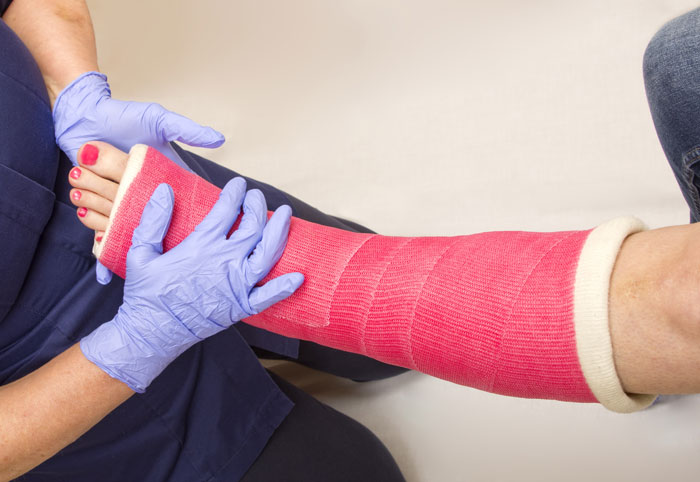
The splint or cast will help to hold your bone in proper alignment for the fracture to heal. While casts and splints offer protection from the outside environment, they do not function as “body armor”. You still need to use common sense and follow your doctor’s instructions to protect the extremity from outside injury.

KEEP IT DRY, CLEAN, AND INTACT

It is most important to keep the splint clean and dry. Don’t pull on the exposed padding, as this is intended to protect your skin from rough edges on the cast or splint. Cover the splint with a plastic bag for bathing and even when covered, don’t attempt to submerge the cast or splint. If it becomes slightly damp, you may attempt to dry it out with a hair dryer on low heat. However, if the splint or cast is saturated or you are having significantly increased odor or skin irritation, you need to schedule an appointment to have the cast or splint changed or seek evaluation at an urgent care center.

I have a splint or cast. What do I need to know about it?

“IT ITCHES!”

Most patients experience intermittent itching under a cast or splint. In general, the best therapy for itching is distraction because the itchy sensation will subside on its own. Sometimes, it is helpful to scratch the same spot on the opposite limb. Do not stick any “scratching utensils” inside the cast or splint because items may break off, become stuck in the splint, or disrupt the inner padding, all of which can cause skin wounds under the cast itself.

THE FIT SHOULD BE SNUG, BUT NOT TIGHT

To be effective, a cast or splint must effectively immobilize the fractured bone in the proper position for the bones to heal. Therefore, the fit does need to be snug. However, it should not be so tight that your extremity below the cast or splint is turning blue, purple, feels numb or tingly or cold to the touch. Conversely, the fit should not be loose enough to allow your limb to be moving or sliding inside of the cast or splint. Sometimes, a cast or splint needs to be adjusted over time to accommodate changes in swelling levels or to fit to the extremity. Contact your physician’s office if you have concerns about your cast or splint fit and seek emergency care if you have any concerns about compromised circulation to your casted or splinted limb.

I have a splint or cast. What do I need to know about it?

GUIDELINES FOR REMOVABLE SPLINTS

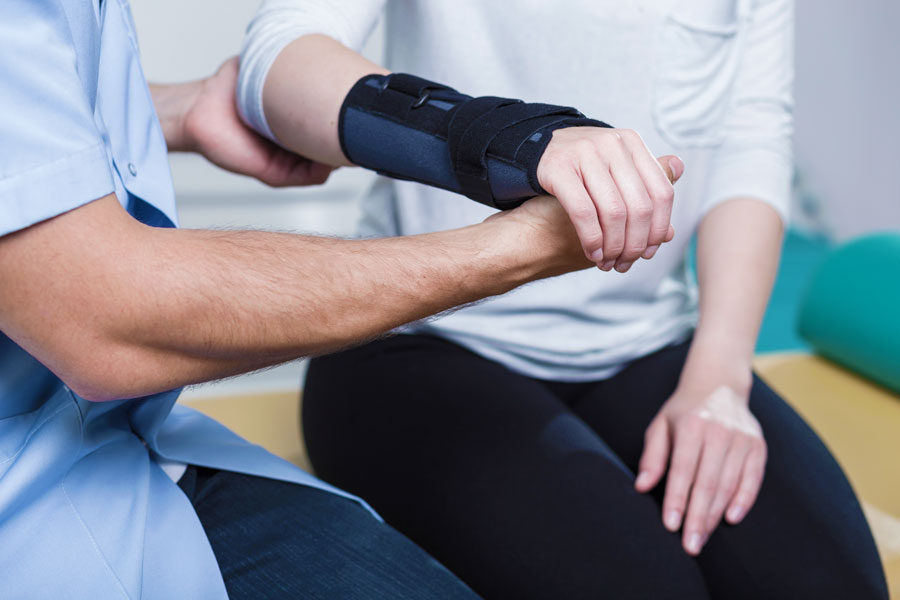
Some injuries can be effectively treated in splints that are removable. Your physician will specifically indicate if it is okay for you to briefly remove your splint for bathing. It is important that you only remove the splint if your physician has given you clearance to do so and for the specific activity or timeframe that they recommend. Your splint fit may be adjusted using the straps or dial mechanism according to the fit guidelines above. The splint fit should not be so loose that you are able to remove the splint without loosening the straps or dial. Parents need to supervise the adjustment of splint fits for children.

Drs. Lamblin and Francisco Answer Common Questions on Fractures.

Common Questions on Fractures

February 2019

Drs. Lamblin and Francisco Answer Common Questions on Fractures.

Fremont Orthopaedics, Orthopedics, Lander, Riverton

by Drs. Lamblin and Francisco

We are deep into ice and snow season here in Fremont County. The Fremont Orthopaedics team tends to see an increase in broken bones related to slips and falls on slippery, hard surfaces. Wrist fractures and hip fractures are especially common this time of year. Below, our doctors answer some common questions related to fractures.

What is a fracture?

A fracture is any complete or incomplete break in the bony structure of the skeleton. A fracture is not “a less severely broken bone”. Fractures occur in a variety of patterns depending on the cause of the injury and the health of the bone structure.

How are fractures treated?

Fracture treatment varies based on location, type, and severity of fracture in combination with a patient’s age, health, and level of activity. The primary goal of fracture care is to restore alignment of the bone so that it can heal in a normal position and allow normal function of the extremity. Many fractures are treated by external stabilization of the broken bone, i.e. a cast, splint, or brace. Some fractures require manipulation of the bone fragments into an anatomical position before being placed in a cast or splint (this is known
as “closed reduction”). Certain fractures will require a surgical procedure to adequately stabilize the broken fragments.

What can I do to treat pain related to a fracture?

Fractures can be quite painful. The body responds to a broken bone by producing swelling and inflammation at the site of the fracture. The most effective way to treat pain is to combat the inflammation and swelling through icing and elevation of the injured limb.

  • ICING: Never apply ice to bare skin. Ice the extremity for periods of 20-30 minutes. If it is difficult to apply ice because of a bulky cast or splint, it is still helpful to apply ice up higher on the injured limb, above the cast or splint.
  • ELEVATION: In a reclining position, use pillows to support the limb comfortably as high as possible above the level of your heart. Ideally, the injured limb will rest 6-20 inches above your heart.
  • MEDICATION: Medication can be helpful to alleviate the discomfort associated with a fracture. Over the counter medications such as acetaminophen, Tylenol, ibuprofen, Advil, Motrin, naproxen and Aleve may be taken at regular intervals in accordance with the package instructions. Take care to ensure that Tylenol (acetaminophen) use from all sources (over the counter medications and prescription drugs) does not exceed 3000 milligrams (3 grams) per day. If you drink regularly or have liver disease, discuss appropriate acetaminophen dosing with your physician.

How long will a fracture take to heal?

Simple fractures in healthy adults will typically heal in about 6 weeks. More severe fractures or highly fragmented fractures, especially those involving joints, can take 3 months or more to heal. Patients who use nicotine, have diabetes, anemia, or conditions which require steroid medications typically have longer healing times. Satisfactory healing of the bone in good alignment is monitored by examination and x-rays over several months.

What things can I do to help my fracture heal?

ICE AND ELEVATE to limit swelling and inflammation during the first 3-7 days.

EATING A BALANCED DIET that includes calcium and vitamin D will help your
body build bone to heal the fracture. For older people, adequate dietary calcium and Vitamin D, in conjunction with weight-bearing exercise, may help to prevent further fractures.

STOP SMOKING/TOBACCO USE. People who use nicotine have impaired healing and are far more likely to suffer from chronic nonunion of fractures, which may cause chronic pain and disability.

MANAGE CHRONIC HEALTH CONDITIONS. Work with your primary care physician to responsibly manage conditions such as diabetes and anemia. The more well controlled these conditions are, the better your fracture will heal.

STICK TO THE PLAN. Follow your doctor’s recommendations for activity restrictions. Pain often subsides long before the fracture is fully healed. Just because it doesn’t hurt doesn’t mean that you are ready for return to full activities.

Now Hosting Two Visiting Specialists

Spine and Foot Services

October 2018

Now Hosting Two Visiting Specialists at our Local Clinics.

Fremont Orthopaedics, Orthopedics, Lander, Riverton

by our Staff

In our continued effort to increase our community’s quality of care, we are now hosting two visiting specialists.

Dr. Lamblin and Dr. Francisco provide a broad range of musculoskeletal care and orthopaedic surgeries to patients throughout Fremont County. To further enhance our patient care services, we are hosting two visiting specialists at our local clinics. Our hope is that this will allow our patients the ease of a local clinic visit and minimize the need for out of county travel to receive treatment.

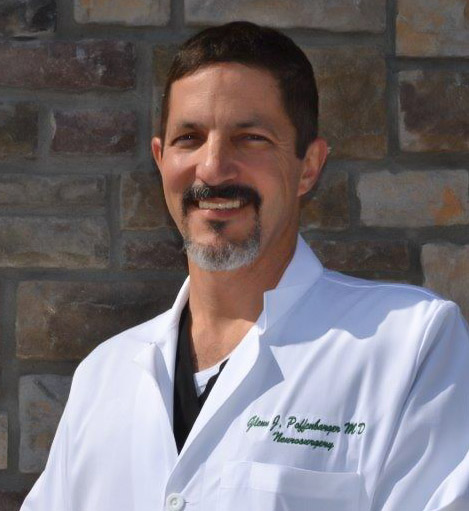
Dr. Jeff Poffenbarger


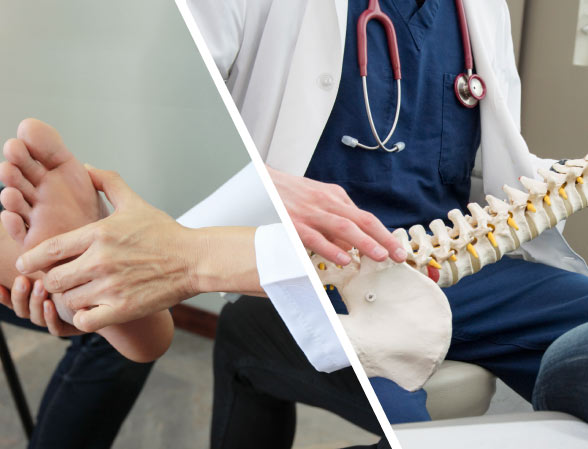
Dr. Jeff Poffenbarger is a neurosurgically trained spine surgeon from Cody, who will be seeing patients on various Mondays at our Riverton office. Dr. Poffenbarger specializes in the care of patients who suffer from spinal injuries, chronic back pain and arthritis, disc herniations and degenerative disc disease, spinal stenosis, and other spinal injuries and conditions.

Dr. Poffenbarger received his medical degree from Georgetown University and completed internship at Madigan Army Medical Center and residency at Walter Reed Army Medical Center. He served his country honorably for 22 years in the United States Army and now practices neurosurgery at Big Horn Medical Center in Cody, Wyoming.


Dr. Eric Linford

Dr. Eric Linford is an orthopaedic foot and ankle specialist from Casper, Wyoming. He will be offering clinics on a monthly basis in our Lander office. Dr. Linford offers expertise in ankle arthritis, complex foot and ankle trauma, chronic ankle and foot pain, bunions, hammer toes, and diabetic foot wounds.

Dr. Linford obtained his medical degree from the University of Colorado Denver School of Medicine and then completed an orthopaedic surgery residency at the Medical College of Wisconsin Affiliated Hospitals. Dr. Linford obtained additional training in foot and ankle surgery through a surgical fellowship at North Sydney Orthopaedic & Sports Medicine Center in Sydney, Australia. He now practices at Casper Orthopedics in Casper, Wyoming.


For more information regarding upcoming Fremont Orthopaedics clinic dates for Drs. Poffenbarger and Linford or to schedule an appointment, please contact Fremont Orthopaedics at 307.332.9720.

CARPAL TUNNEL PART II: Dr. Francisco Explains the Surgical Options


Fremont Orthopaedics


Better Health Blog

Carpal Tunnel Syndrome

September 2018

Carpal Tunnel PART II:
Dr. Francisco Explains the Surgical Options

Fremont Orthopaedics, Fremont Orthopedics, Dr. Lamblin and Dr. Francisco. Lander and Riverton Wyoming.

Dr. Francisco, MD

What does carpal tunnel surgery entail?

Carpal Tunnel surgery, Lander WyomingThere are two variations of carpal tunnel surgery—open release versus endoscopic release. They both accomplish the same thing–the ligament that forms the roof of the carpal tunnel is divided, which in turn gives the median nerve more space thereby relieving the pressure on the nerve.
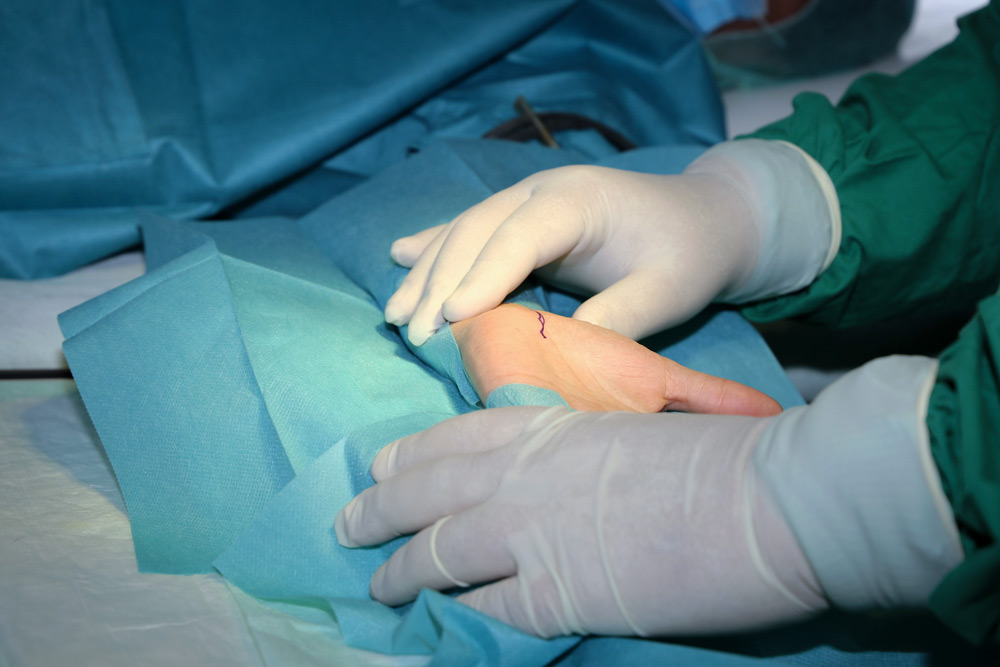

When I perform an open carpal tunnel release I make a small incision in the palm that is about an inch long and divide the ligament that is the roof of the carpal tunnel. The benefits to doing an open surgery is that it is slightly safer, but the downside is that the incision is in the palm, which makes the recovery process slightly longer.

In an endoscopic carpal tunnel release I make a small incision at the base of the wrist and then use a special camera, instruments, and knife to divide the ligament that forms the roof of the carpal tunnel. The benefits of endoscopic release are a quicker recovery, but there is a slightly higher risk of complications.

I don’t have a strong bias one way or the other on how the surgery is performed. I am well trained and have ample experience in providing both surgeries. I’ll have a discussion with the patient before surgery and we’ll make the decision together about which surgery will be performed.

What is the recovery process from carpal tunnel surgery like?

Both types of carpal tunnel surgery are performed on an outpatient basis, meaning that the patient returns home within a few hours of the procedure. After surgery is completed, the patient is discharged home with only a soft dressing that is removed 2-3 days after surgery and the incision is covered with a band-aid. I encourage patients to begin making a full fist immediately after surgery. There are no restrictions for most types of work, other than if a patient performs manual labor. If a patient’s job involves manual labor, I want the incision to be completely healed before resuming work. If a patient attempts to return to manual labor too early, it can cause them pain and significant discomfort. Generally speaking, I tell patients to plan on a few days to 2 weeks away from work. This is once again dependent upon what type of work they do–manual labor is not the same as clerical work.

What kind of outcome can I hope for from carpal tunnel release?

Carpal tunnel surgery is one of the most successful surgeries across all surgical disciplines. The pain that people are experiencing prior to surgery is gone immediately. They do have pain from the incision, but this is a different type of pain. I often have patients tell me that for the first time in months, or even years, they actually slept through the night after surgery. Numbness and tingling can take weeks to months to disappear. If the patient had very dense numbness for many years it may never go away completely, but it will improve. Also, weakness takes months to improve. Generally speaking, nearly all patients make a full recovery, but this is dependent on the severity of the problem before surgery. Surgery is likely a lifetime cure, but some people do have a recurrence of symptoms years into the future, which can be effectively dealt with.

If I am concerned that I have carpal tunnel syndrome what should I do?
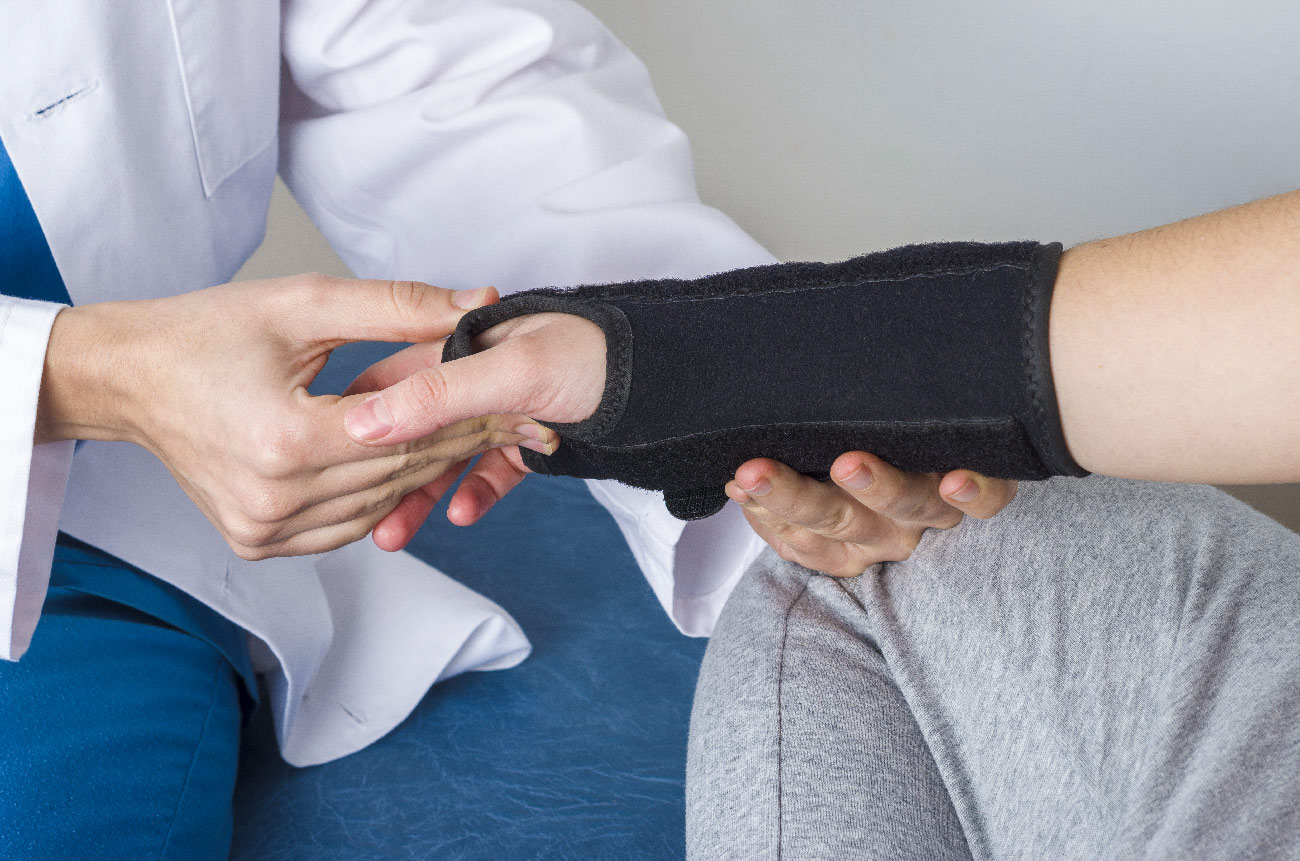

I would encourage you to make an appointment to see me. I will visit with you about your symptoms and examine you and then make recommendations based on what I see. We will have a discussion about what course of treatment you want to pursue based on my findings and recommendations. My goal is to help you feel better and to have a more productive life however that is accomplished.


See article by the AAOS for further reading:
https://www.orthoinfo.org/en/diseases–conditions/carpal-tunnel-syndrome/

Dr. Francisco Explains Carpal Tunnel Syndrome

Carpal Tunnel Syndrome

August 2018

Dr. Francisco Explains Carpal Tunnel Syndrome

Fremont Orthopaedics, Fremont Orthopedics, Dr. Lamblin and Dr. Francisco. Lander and Riverton Wyoming.

Dr. Francisco, MD

What is carpal tunnel syndrome?

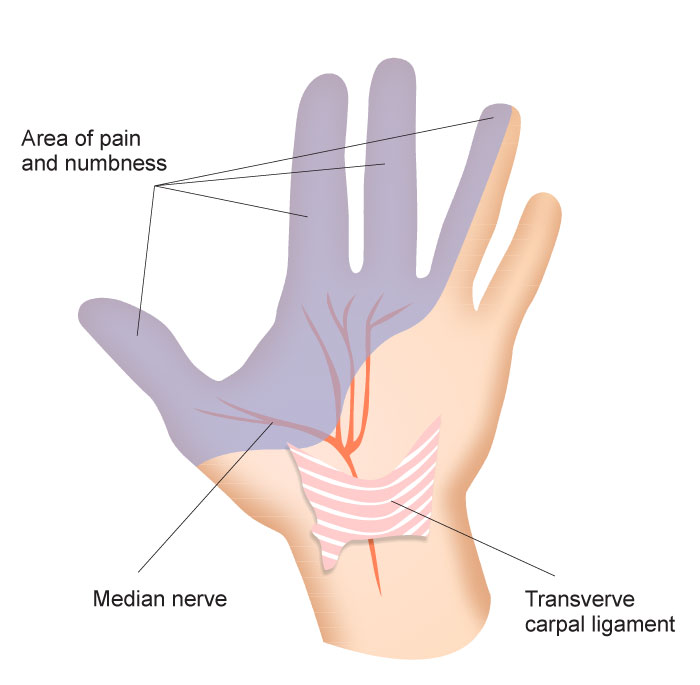
Carpal tunnel syndrome is most often the result of chronic compression of the median nerve at the wrist.  The median nerve enters the hand through the carpal tunnel of the wrist, which is a small box made up of bones on three sides and a thick ligament over the top.  In the box there are nine tendons and the median nerve.

There are different theories about what actually causes compression of the median nerve in the carpal tunnel—repetitive motions at work, thickening of the tendon sheaths in the carpal tunnel, or anatomic predispositions.  Regardless of the exact cause, or the summation of multiple causes, the end result is the same—the median nerve doesn’t have as much room in the carpal tunnel, it gets compressed, and subsequently people develop the characteristic symptoms of carpal tunnel syndrome.

What are the symptoms of carpal tunnel syndrome?

In the hand, the median nerve supplies sensation to your thumb, index, middle, and half of your ring finger.  It also makes the muscles on the thumb side of your hand function.  So, when the median nerve is compressed, it results in pain, numbness, tingling, weakness, and in the end stages permanent loss of muscle.  Patients typically experience worsening of symptoms at night.  They often wake up with their fingers being numb.  Other common times when the symptoms are worse are when people are driving their car, or talking on the phone.  As the symptoms worsen, people start to have weakness—they can’t open jars, or they spontaneously drop things.  Their fingers may also become numb all of the time. ions of the sport.


How is carpal tunnel syndrome treated?

For a classic case of carpal tunnel syndrome, I try to treat people without surgery first.  Often simple things will make a significant difference and reduce the symptoms that patients are experiencing.  One major cause of carpal tunnel syndrome is that people often sleep with their wrists flexed.  This causes an increase in pressure in the carpal tunnel, and subsequently, the median nerve is compressed resulting in the symptoms of worsening pain, numbness, and tingling at night.  Therefore, providing the patient with a splint to wear at night will help.

Many times though, people have already worn splints at night before they see me.  This is where a physical exam and talking to the patient helps significantly in the decision making process.  If the symptoms and complaints seem mild to moderate, and the patient isn’t having significant weakness, then I typically offer the patient a steroid injection into the carpal tunnel.  This serves three purposes.  First, it reduces inflammation around the median nerve and people typically have complete, albeit, temporary relief of their symptoms (usually 3-4 months).  Second, it helps me to confirm the diagnosis of carpal tunnel syndrome if the patient has a good response to the steroid injection.  Third, if the patient has a good response to the injection, surgery, if needed or desired, is more likely to be just as successful.

If the symptoms are severe, constant, and have been present for multiple years and I see loss of muscle when I examine the patient, then I would be more apt to discuss surgery as part of the treatment plan.

In our next blog post, Dr. Francisco will discuss more questions about carpal tunnel surgery.


See article by the AAOS for further reading: https://www.orthoinfo.org/en/diseases–conditions/carpal-tunnel-syndrome/

How to Prevent and Treat Sports Injuries

Injury Prevention

June 2018

How to Prevent and Treat Sports Injuries

Fremont Orthopaedics, Fremont Orthopedics, Dr. Lamblin and Dr. Francisco. Lander and Riverton Wyoming.

by Dr. Cory Lamblin and Staff

Fremont County’s Active Summer Lifestyle Events

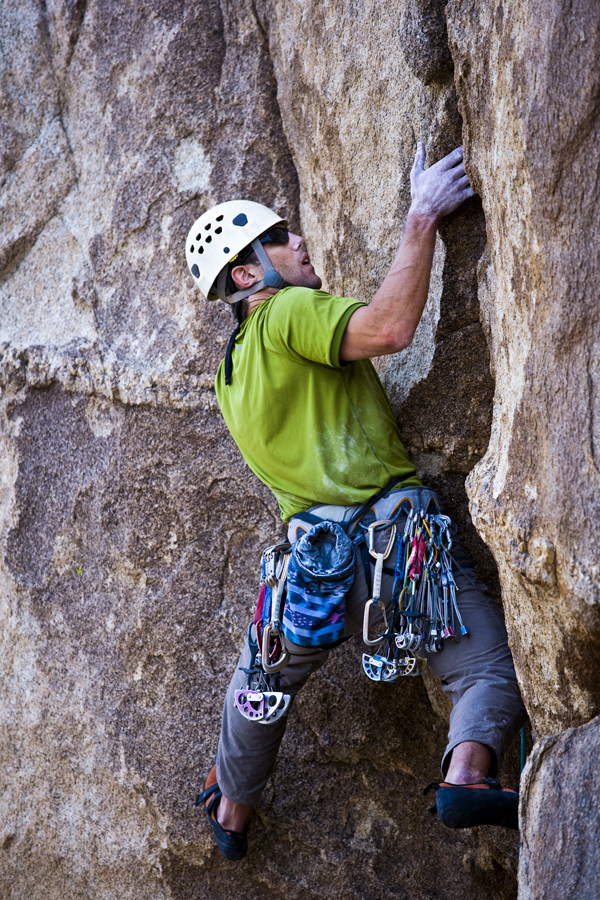
Summer in Fremont County offers an abundance of sports and recreation activities. Events such as the upcoming Challenge for Charities Half-Marathon/Races, International Climbers’ Festival, and the Jurassic Classic Mountain Bike Festival have many athletes out training on the local trails, crags, and roads. Our student athletes are participating in sports camps and training sessions over the summer break. Despite the multiple benefits of fitness activities, risk of injury is inherent in all sports. Dr. Cory Lamblin, an orthopedic surgeon and sports medicine specialist at Fremont Orthopaedics, knows that many sports injuries are potentially preventable—which is good news!

Dr. Lamblin explains, “Other than traumatic injuries, such as collisions or falls, many sports injuries are the result of improper training or technique. For example, some knee injuries are the result of a person participating in a sport that places stress on the knee joint without performing other exercises to strengthen the supporting muscles surrounding the knee. Using proper technique, understanding your general health, and listening to your body are paramount in injury prevention.”

Tips to help you prevent painful sports injuries, Lander and Riverton Wyoming

Tips to help you prevent painful sports injuries

Consider these basic tips to help prevent sports injuries:

  • Always warm up before you exercise. A gradual warm-up can go a long way to prevent injuries. Your warm-up can consist of gentle stretching, yoga, walking/jogging or simply doing your regular activity at low intensity.
  • Don’t work out on empty; ensure that you are adequately fueled/hydrated prior to working out. Calorie deprivation and dehydration cause fatigue; fatigue promotes sloppy form. For longer workouts, games, or events, plan ahead to replace lost fluids and supplement calories at specific intervals. Avoid longer than 60 min of intense exercise with out refueling to maximize performance and recovery.
  • Gradually increase time and intensity. When starting an exercise program or a new sport, it’s easy to go too hard, too soon.
  • Cross train. In addition to helping reduce workout boredom, cross-training helps train your entire body without over stressing individual muscles, ligaments, and tendons. Variety in your workout routine helps to prevent overuse injuries.
  • If you’re participating in a sport, make sure you use the proper gear – even when you’re just practicing. It’s also important to have a clear understanding of the rules of the game and safety precautions of the sport.
  • Listen to your body. If you experience any sharp pain, weakness or light-headedness, pay attention. This is your body’s signal that something is wrong and you should stop what you’re doing. Pushing through acute pain is the fastest way to develop a severe or chronic injury.
  • Take time for rest and recovery. In addition to getting enough sleep, it is important to take some rest days. Working out too much for too long can lead to fatigue, injury, and possibly reduce your immunity. The amount of rest needed depends on current workout volume/intensity, fitness level, and upcoming events. Getting to know your body and its response to exercise is very valuable.


R.I.C.E. to the Rescue to Reduce Pain and Speed Recovery

If you sustain a contusion or strain/sprain a muscle, ligament, or tendon, Dr. Lamblin suggests the tried-and-true R.I.C.E. therapy. “R.I.C.E therapy is recommended for almost every sports-related injury and it is something that athletes can initiate on their own, immediately. These treatments combat inflammation, and therefore, are quite effective at reducing pain and expediting recovery.”

  • Rest – the injured area for at least 48-72 hours. “I can’t adequately emphasize how important it is to rest when you’re tired or hurt,” Dr. Lamblin said. “Pain is a sophisticated monitoring system of your body’s progress after an injury. Exercising through acute pain is more likely to prolong recovery time or transform an acute injury into a chronic, recurrent condition. While you’re healing, you can try another activity that doesn’t stress the injured area. Absence of pain is very reassuring in most cases. Slowly resume your regular activity only when you’re free of pain. If pain recurs, you need more time to heal.”
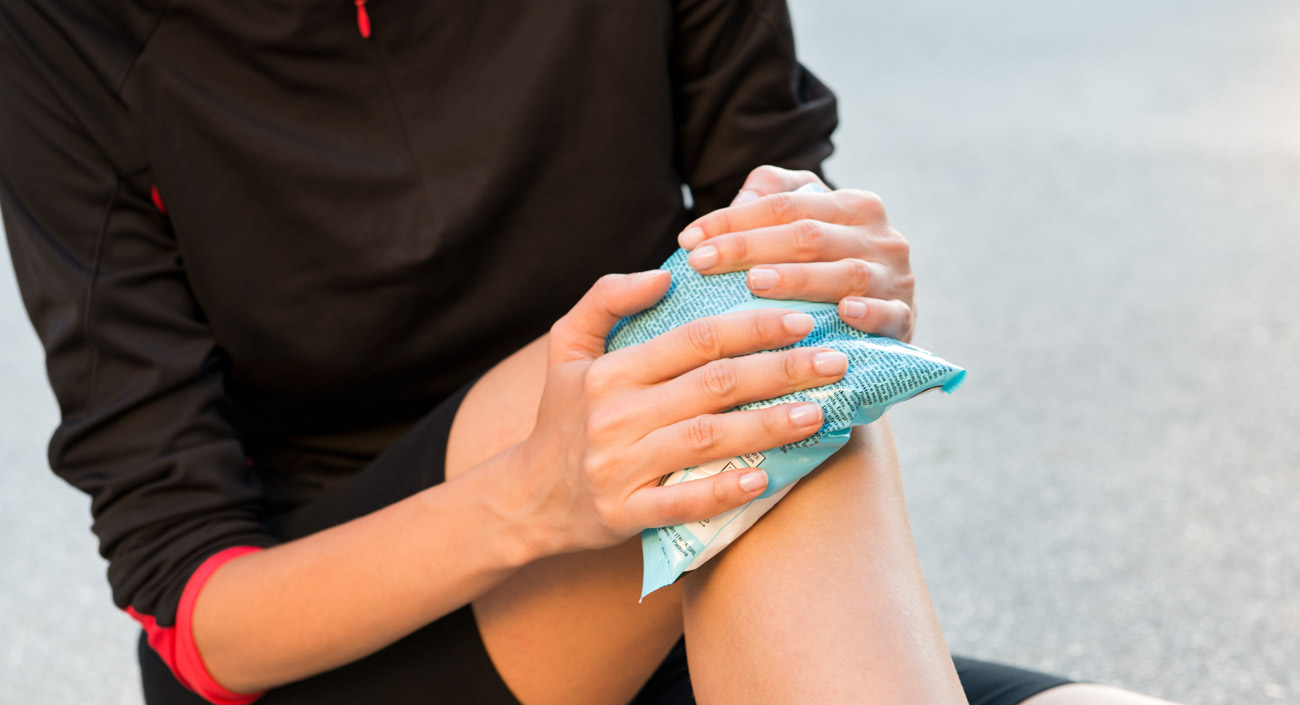
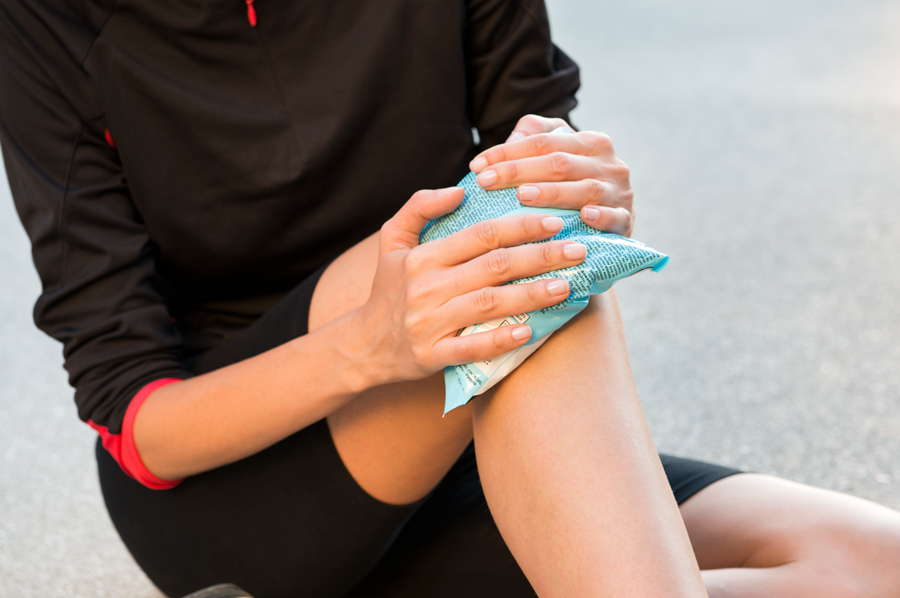
  • Ice – apply ice or cold packs for 20+ minutes several times a day for the first 72 hours or until swelling subsides. Do not apply ice directly to bare skin.
  • Compression – wrap the injury with an Ace bandage to reduce swelling and provide comfort. If the limb below the Ace wrap is turning purple or swelling or you begin to experience numbness or tingling, the wrap is too tight.
  • Elevation – use pillows to elevate the injured extremity at or above the level of the heart as often as possible.

For serious orthopedic injuries or sports injuries that are not improving with the above techniques, call Fremont Orthopaedics to schedule an appointment (307)332-9720. Our physicians are proud to offer excellent and local care for a wide spectrum of musculoskeletal injuries.