Dr. Cory Lamblin Teaches 12th Annual Arthroscopy Bootcamp Course at the University of Washington.

Dr. Cory Lamblin Teaches Arthroscopic Surgery

November 2019

Dr. Cory Lamblin was welcomed to the University of Washington, as a guest instructor for the 12th annual Arthroscopy Bootcamp Course.

Fremont Orthopaedics, Orthopedics, Lander, Riverton

by the Fremont Orthopaedics Staff

Dr. Cory Lamblin returns to his alma mater in October as an instructor to teach Arthroscopic Surgery.
University of Washington, Orthopaedics & Sports Medicine

Dr. Lamblin Teaches Intensive Training Course

In early October, Dr. Cory Lamblin was welcomed back to his medical school alma mater, the University of Washington, as a guest instructor for the 12th annual Arthroscopy Bootcamp Course. The course is coordinated by the UW Department of Orthopaedics and Sports Medicine and is attended by orthopaedic surgery resident physicians. Resident physicians have graduated from medical school and are in the midst of a 5-year apprenticeship in orthopaedic surgery. The Arthroscopy Bootcamp consists of intensive training in a surgical lab. Dr. Lamblin spent his days in Seattle teaching residents surgical skills and overseeing surgical procedures on cadaveric tissue. This course facilitates the opportunity for physicians in training to hone their arthroscopic surgery skills under the guidance of expert surgeons. Dr. Lamblin thoroughly enjoyed the opportunity to educate residents and reunite with some of his former faculty and current colleagues.
Arthroscopy wyoming

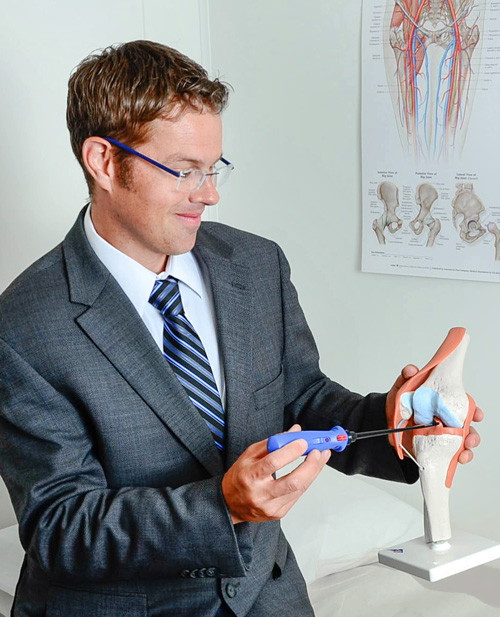
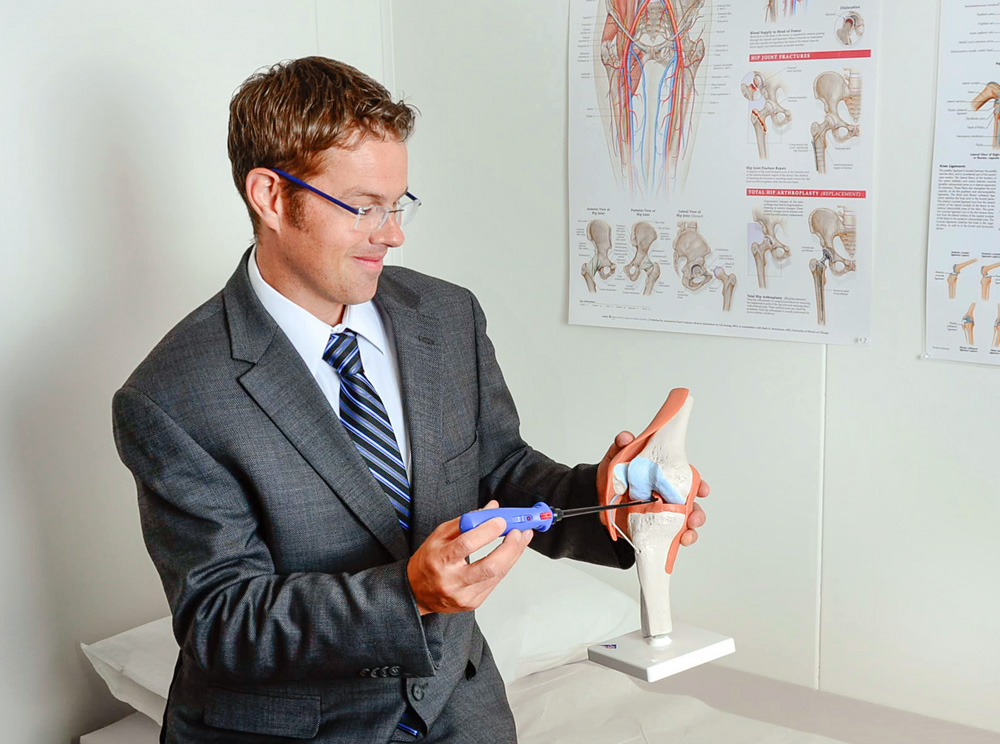
Dr. Lamblin explains to a patient how a meniscal repair device will be inserted into the knee joint for treatment of a meniscus injury

Minimally Invasive Surgical Technique

Arthroscopy is a name for a surgical technique that involves the insertion of a fiber optic camera into a joint in the body through a small incision. The camera is attached to a large viewing screen. This allows the surgeon to examine the internal structures of the joint and diagnose injuries or disease. The surgeon may also repair damaged tissues using small instruments that are inserted through the same small incisions as the arthroscope. Arthroscopy is considered minimally invasive surgery and most procedures are offered to patients on an outpatient basis. An increasing array of injuries and conditions are able to be treated through arthroscopy.

Specializing in Knee and Shoulder Surgery

After completing a 5 year orthopaedic surgery residency at the University of Washington, Dr. Lamblin obtained an additional year of subspecialty training in arthroscopic surgery techniques and sports medicine at Taos Orthopaedic Institute. Dr. Lamblin frequently performs arthroscopy on knee and shoulder injuries. Knee injuries that are commonly treated with arthroscopic surgeries include ligament injuries (such as ACL and MCL tears), meniscus tears, and cartilage damage. Shoulder injuries frequently treated by arthroscopy include tears of the rotator cuff, biceps tendon, and labrum.

Learn more…

To read more about arthroscopic surgeries, visit the American Academy of Orthopaedic Surgeons’ patient education website at https://orthoinfo.aaos.org/en/treatment/arthroscopy/
To schedule an appointment, Call us at 307-332-9720

Fremont Orthopaedics Welcomes Jesse S. Morse-Brady to Our Team!

Welcome to Jesse S. Morse-Brady

September 2019

Fremont Orthopaedics welcomes Jesse S. Morse-Brady, Nurse Practitioner, to our team in September 2019!

Fremont Orthopaedics, Orthopedics, Lander, Riverton

by the Fremont Orthopaedics Staff

Fremont Orthopaedics welcomes Jesse S. Morse-Brady DNP, MS, FNP-BC to our team in September 2019

Jesse-#31

Professional Background

Jesse is a board certified family nurse practitioner who will collaborate with Dr. Lamblin and Dr. Francisco to treat patients of all ages with various injuries and musculoskeletal conditions. Jesse has been caring for patients in Fremont County since 2014 as a perioperative nurse at the SageWest hospitals and as the Clinical Nursing Supervisor at Wind River Family and Community Health Care. Jesse has particular interests in wellness, rural healthcare delivery, and the impact of orthopaedic conditions on everyday life. Jesse’s family practice background enables her to work with patients to optimize their overall health through diet and lifestyle coaching and improved management of chronic diseases, such as cardiovascular disease and diabetes. Jesse helps patients improve their overall wellness as they progress through orthopaedic pain and injury to healing and recovery.

Jesse has lived in various locations throughout New England and the Mountain West and has worked in healthcare settings since 2008. She completed her undergraduate studies in anthropology and philosophy at Boston University, where she became interested in public and global health. Jesse then completed a master’s degree with a focus in international medicine through Montana State University. She lived and conducted rural healthcare implementation research in the Achham region of Nepal as the Director of Research and Advocacy for Nyaya Health International. When Jesse returned to the United States, she completed nursing education at the University of Arizona, where she completed clinical rotations in a variety of healthcare settings. She then worked for several years as a nurse before pursuing her doctorate of nursing practice at the University of Wyoming, with a focus in family nursing practice.

Prior to her nursing career, Jesse worked for the international Hubert H. Humphrey Fellowship Program, provided home care for individuals with developmental disabilities, and taught elementary students about outer space through the NASA-funded Montana Space Grant Consortium. Jesse has published research in several journals, including the British Medical Journal and Biomed Central Health Services Research.

Personal Interests

Jesse spends most of her free time rock climbing, bicycling, skiing, fishing, gardening, and exploring the mountains. She and her husband live in Lander, along with their dogs, cat, turkeys, geese, and numerous houseplants.

I have a splint or cast. What do I need to know about it?

Common Questions on Casts and Splints

March 2019

I have a splint or cast. What do I need to know about it?

Fremont Orthopaedics, Orthopedics, Lander, Riverton

by Drs. Lamblin and Francisco and staff

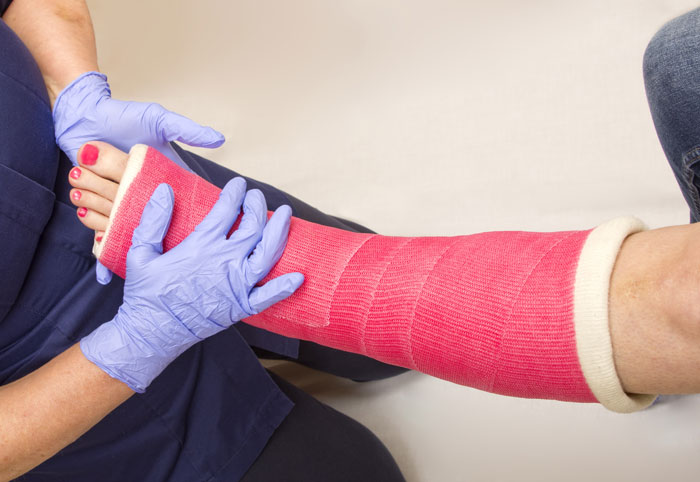
The splint or cast will help to hold your bone in proper alignment for the fracture to heal. While casts and splints offer protection from the outside environment, they do not function as “body armor”. You still need to use common sense and follow your doctor’s instructions to protect the extremity from outside injury.

KEEP IT DRY, CLEAN, AND INTACT

It is most important to keep the splint clean and dry. Don’t pull on the exposed padding, as this is intended to protect your skin from rough edges on the cast or splint. Cover the splint with a plastic bag for bathing and even when covered, don’t attempt to submerge the cast or splint. If it becomes slightly damp, you may attempt to dry it out with a hair dryer on low heat. However, if the splint or cast is saturated or you are having significantly increased odor or skin irritation, you need to schedule an appointment to have the cast or splint changed or seek evaluation at an urgent care center.

I have a splint or cast. What do I need to know about it?

“IT ITCHES!”

Most patients experience intermittent itching under a cast or splint. In general, the best therapy for itching is distraction because the itchy sensation will subside on its own. Sometimes, it is helpful to scratch the same spot on the opposite limb. Do not stick any “scratching utensils” inside the cast or splint because items may break off, become stuck in the splint, or disrupt the inner padding, all of which can cause skin wounds under the cast itself.

THE FIT SHOULD BE SNUG, BUT NOT TIGHT

To be effective, a cast or splint must effectively immobilize the fractured bone in the proper position for the bones to heal. Therefore, the fit does need to be snug. However, it should not be so tight that your extremity below the cast or splint is turning blue, purple, feels numb or tingly or cold to the touch. Conversely, the fit should not be loose enough to allow your limb to be moving or sliding inside of the cast or splint. Sometimes, a cast or splint needs to be adjusted over time to accommodate changes in swelling levels or to fit to the extremity. Contact your physician’s office if you have concerns about your cast or splint fit and seek emergency care if you have any concerns about compromised circulation to your casted or splinted limb.

I have a splint or cast. What do I need to know about it?

GUIDELINES FOR REMOVABLE SPLINTS

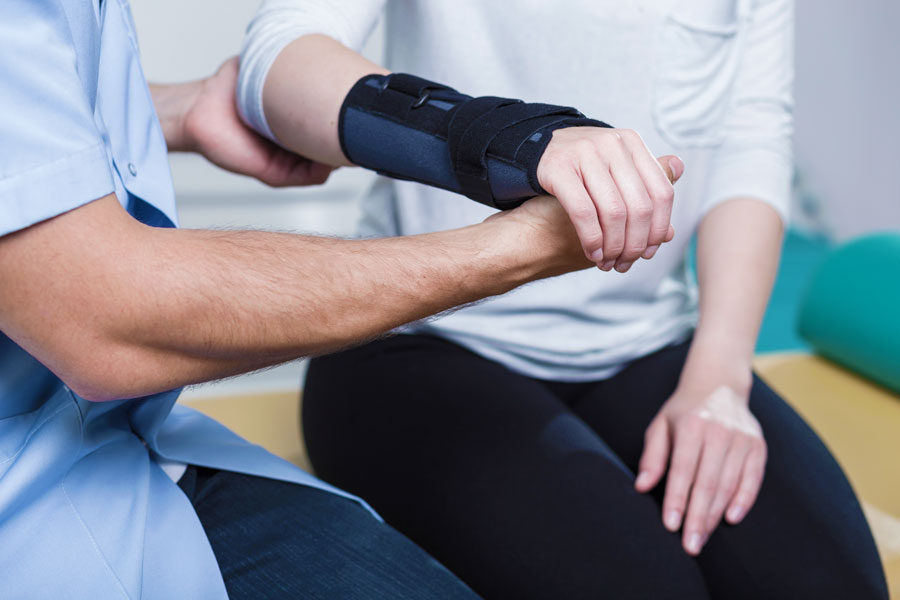
Some injuries can be effectively treated in splints that are removable. Your physician will specifically indicate if it is okay for you to briefly remove your splint for bathing. It is important that you only remove the splint if your physician has given you clearance to do so and for the specific activity or timeframe that they recommend. Your splint fit may be adjusted using the straps or dial mechanism according to the fit guidelines above. The splint fit should not be so loose that you are able to remove the splint without loosening the straps or dial. Parents need to supervise the adjustment of splint fits for children.

Drs. Lamblin and Francisco Answer Common Questions on Fractures.

Common Questions on Fractures

February 2019

Drs. Lamblin and Francisco Answer Common Questions on Fractures.

Fremont Orthopaedics, Orthopedics, Lander, Riverton

by Drs. Lamblin and Francisco

We are deep into ice and snow season here in Fremont County. The Fremont Orthopaedics team tends to see an increase in broken bones related to slips and falls on slippery, hard surfaces. Wrist fractures and hip fractures are especially common this time of year. Below, our doctors answer some common questions related to fractures.

What is a fracture?

A fracture is any complete or incomplete break in the bony structure of the skeleton. A fracture is not “a less severely broken bone”. Fractures occur in a variety of patterns depending on the cause of the injury and the health of the bone structure.

How are fractures treated?

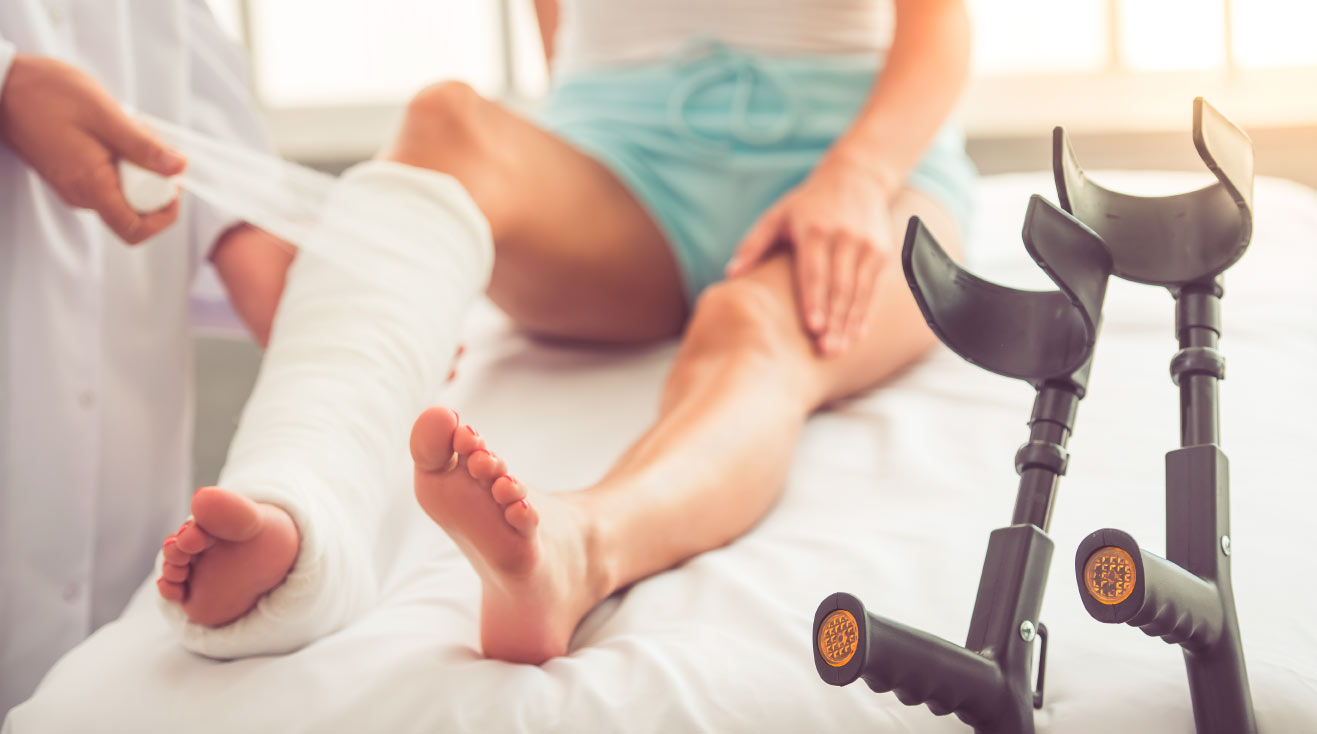
Fracture treatment varies based on location, type, and severity of fracture in combination with a patient’s age, health, and level of activity. The primary goal of fracture care is to restore alignment of the bone so that it can heal in a normal position and allow normal function of the extremity. Many fractures are treated by external stabilization of the broken bone, i.e. a cast, splint, or brace. Some fractures require manipulation of the bone fragments into an anatomical position before being placed in a cast or splint (this is known
as “closed reduction”). Certain fractures will require a surgical procedure to adequately stabilize the broken fragments.

What can I do to treat pain related to a fracture?

Fractures can be quite painful. The body responds to a broken bone by producing swelling and inflammation at the site of the fracture. The most effective way to treat pain is to combat the inflammation and swelling through icing and elevation of the injured limb.

  • ICING: Never apply ice to bare skin. Ice the extremity for periods of 20-30 minutes. If it is difficult to apply ice because of a bulky cast or splint, it is still helpful to apply ice up higher on the injured limb, above the cast or splint.
  • ELEVATION: In a reclining position, use pillows to support the limb comfortably as high as possible above the level of your heart. Ideally, the injured limb will rest 6-20 inches above your heart.
  • MEDICATION: Medication can be helpful to alleviate the discomfort associated with a fracture. Over the counter medications such as acetaminophen, Tylenol, ibuprofen, Advil, Motrin, naproxen and Aleve may be taken at regular intervals in accordance with the package instructions. Take care to ensure that Tylenol (acetaminophen) use from all sources (over the counter medications and prescription drugs) does not exceed 3000 milligrams (3 grams) per day. If you drink regularly or have liver disease, discuss appropriate acetaminophen dosing with your physician.

How long will a fracture take to heal?

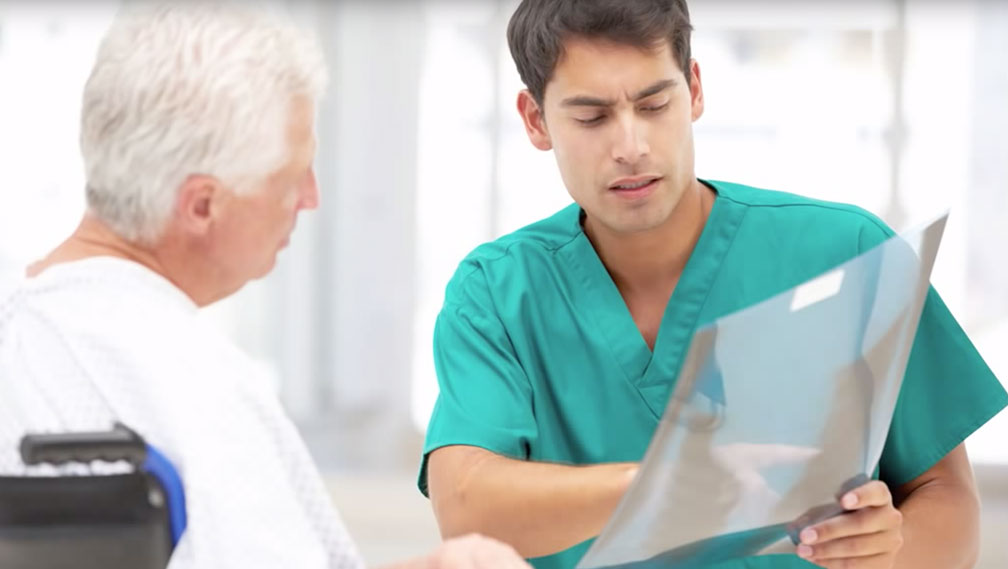
Simple fractures in healthy adults will typically heal in about 6 weeks. More severe fractures or highly fragmented fractures, especially those involving joints, can take 3 months or more to heal. Patients who use nicotine, have diabetes, anemia, or conditions which require steroid medications typically have longer healing times. Satisfactory healing of the bone in good alignment is monitored by examination and x-rays over several months.

What things can I do to help my fracture heal?

ICE AND ELEVATE to limit swelling and inflammation during the first 3-7 days.

EATING A BALANCED DIET that includes calcium and vitamin D will help your
body build bone to heal the fracture. For older people, adequate dietary calcium and Vitamin D, in conjunction with weight-bearing exercise, may help to prevent further fractures.

STOP SMOKING/TOBACCO USE. People who use nicotine have impaired healing and are far more likely to suffer from chronic nonunion of fractures, which may cause chronic pain and disability.

MANAGE CHRONIC HEALTH CONDITIONS. Work with your primary care physician to responsibly manage conditions such as diabetes and anemia. The more well controlled these conditions are, the better your fracture will heal.

STICK TO THE PLAN. Follow your doctor’s recommendations for activity restrictions. Pain often subsides long before the fracture is fully healed. Just because it doesn’t hurt doesn’t mean that you are ready for return to full activities.

Dr. Lamblin Travels to Switzerland to Provide Care for the US Ski and Snowboard Teams.

Dr. Lamblin Travels to Switzerland

November 2018

Dr. Lamblin Travels to Switzerland to Provide Medical Support for US Athletes

Fremont Orthopaedics, Orthopedics, Lander, Riverton

by our Staff

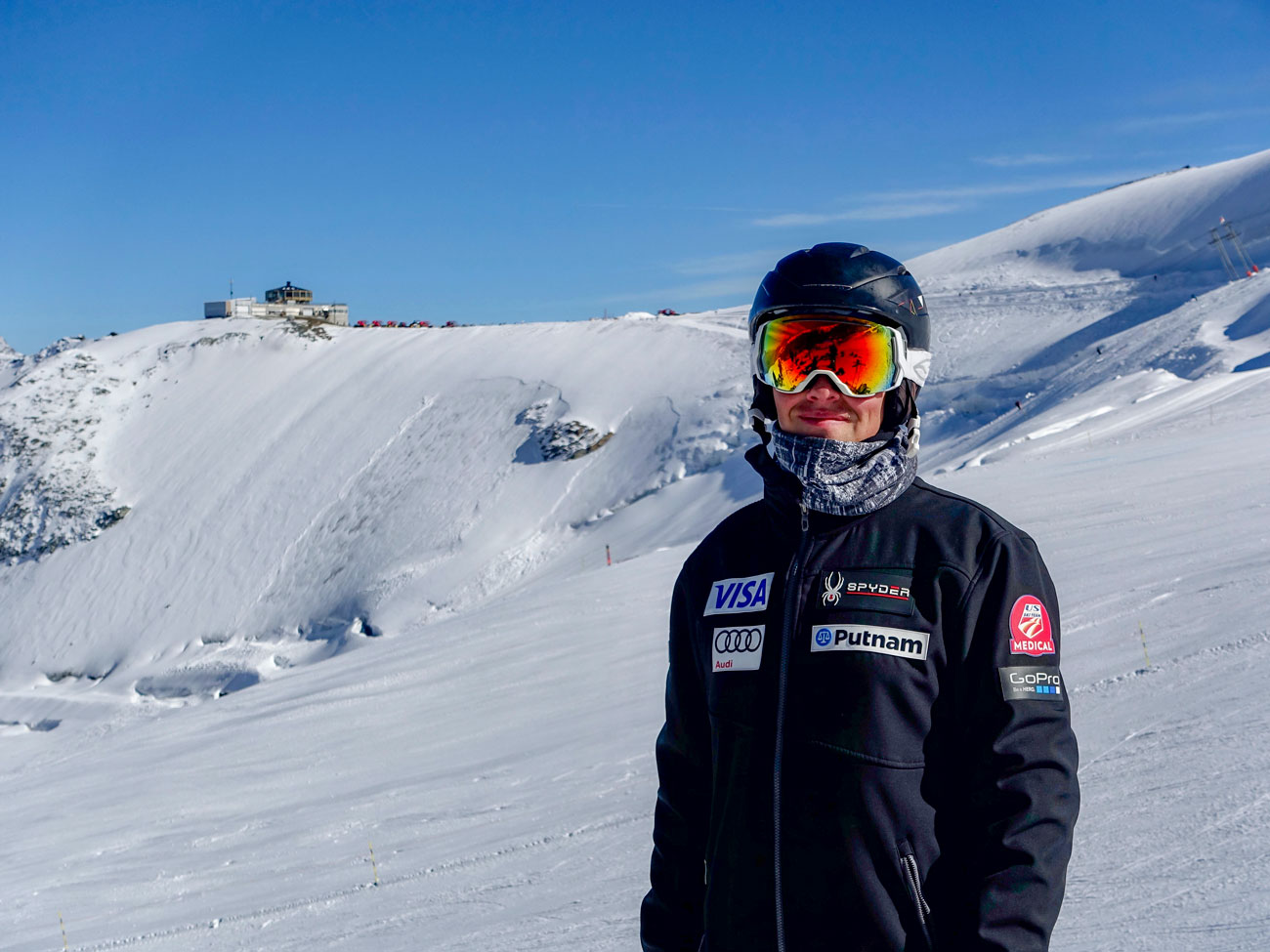
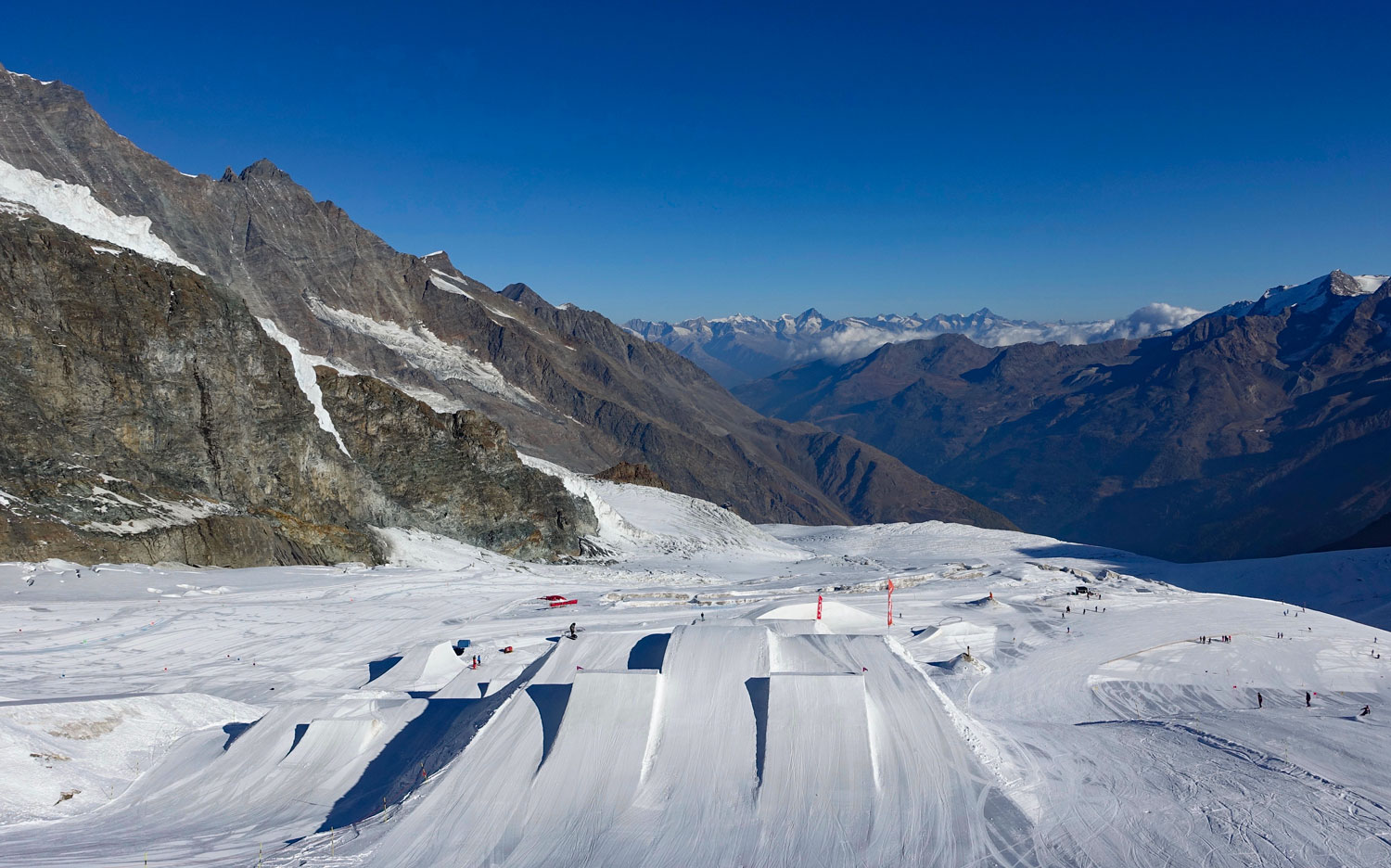
Dr. Lamblin travels to Saas-Fee, Switzerland to support the US Ski and Snowboard Teams. 

Last month, Dr. Lamblin traveled overseas to Saas-Fee, Switzerland, with the professional athletes of the US Ski and Snowboard teams. SaasFee is a ski town located high in the Swiss Alps. The athletes were attending a training camp to hone their skills prior to their upcoming competition season. The glaciers above Saas-Fee offer a unique locale for fall training camps that provide professional level high-grade slopes, half-pipes and big air jumps.

Dr. Lamblin intermittently travels with the US Ski and Snowboard teams to provide medical coverage and support. His responsibilities include working with a team of dedicated trainers and physical therapists. The medical team places great emphasis on conditioning and injury prevention efforts, as well as rehabilitation processes. Each day, the teams would travel via two gondola rides and an underground train to the glaciated slopes above Saas Fee. Dr. Lamblin would spend the days onsite at the professional training course, where he triaged and treated injuries. For athletes with more severe injuries, Dr. Lamblin coordinated transfers to local care facilities and assisted in medical care. Dr. Lamblin would spend time in the evening rounding on injured athletes and checking on the rehabilitation progress of athletes with longer term injuries.

Dr. Lamblin considers working with the inspiring athletes and exemplary training staff of the US Ski and Snowboard Association a great honor. He wishes all of the athletes the very best in their upcoming competitions!

Dr. Lamblin shares advice for helping to prevent winter sports related injuries.

In working with these elite athletes, much of the focus is on injury prevention. Many of the basic tenets that the professionals try to observe are applicable to recreational skiiers and snowboarders. Here, Dr. Lamblin highlights some helpful tips for enjoying winter sports safely:

  1. Dress appropriately for conditions as they are, and as they may change to. Ski conditions can shift rapidly high in the mountains. Dress in layers that allow you to be warm, but not wet from exertion related sweat. Staying dry is key. Getting cold is not only uncomfortable, it makes you more prone to injury because it influences your performance and judgement.
  2. It is preferable to utilize your own gear. If renting or borrowing gear, ensure that it is properly adjusted to your size, stance, and ability level. Familiarize yourself with the equipment before your time on the slopes and then by taking some below-ability level runs in the new gear.
  3. Allow yourself time to warm up before you chase the powder down the double black diamonds. Even the pros start their days with basic, below-ability runs and jumps. Warming up is protective to your joints and muscles. There are many body movements that can achieve this goal.
  4. Stay hydrated. It is easier to lose track of this concept in winter sports, as opposed to warm weather sweat-inducing sports. However, winter air is dry and athletes experience large imperceivable water loss through breathing, especially in higher altitude ski resorts. Dehydration can have notable affects on your physical performance, mental clarity, and endurance, all of which are important for injury prevention.
  5. Advance physical conditioning in anticipation of ski season is important in injury prevention. A regular exercise program that incorporates leg muscle and core strengthening, in addition to cardio, is especially helpful. In Fremont County, we are lucky to have many great gyms and physical therapy practices that can assist you in developing a conditioning program that includes sport specific training.
  6. Avoid being over-fatigued. A significant percentage of injuries occur at the end of the day or on that “one last run”. Listen to your body later in the day and choose an easier run or head in for apres-ski a little early.

Many injuries in winter sports occur when athletes are either not prepared for the elements or fatigued. These factors are preventable. Of course, even with the best of preparation and physical conditioning, injuries still occur. Fremont Orthopaedics physicians are well-equipped to treat a variety of injuries for people of all ages. For an appointment, call 307.332.9720.

For further reading on how to prevent winter-sport related injuries:
http://newsroom.aaos.org/media-resources/Press-releases/dont-let-skiing-and-snowboarding-injuries-take-you-downhill.htm


Dr. Lamblin’s Fall 2017 US Ski Team Trip

Winter Olympics

January 2018

Dr. Lamblin’s Fall 2017 US Ski Team Trip

Fremont Orthopaedics, Orthopedics, Lander, Riverton

Fremont Orthopaedics Staff

Fremont Orthopaedics, Fremont Orthopedics, Dr. Lamblin and Dr. Francisco. Lander and Riverton Wyoming. Orthopaedic

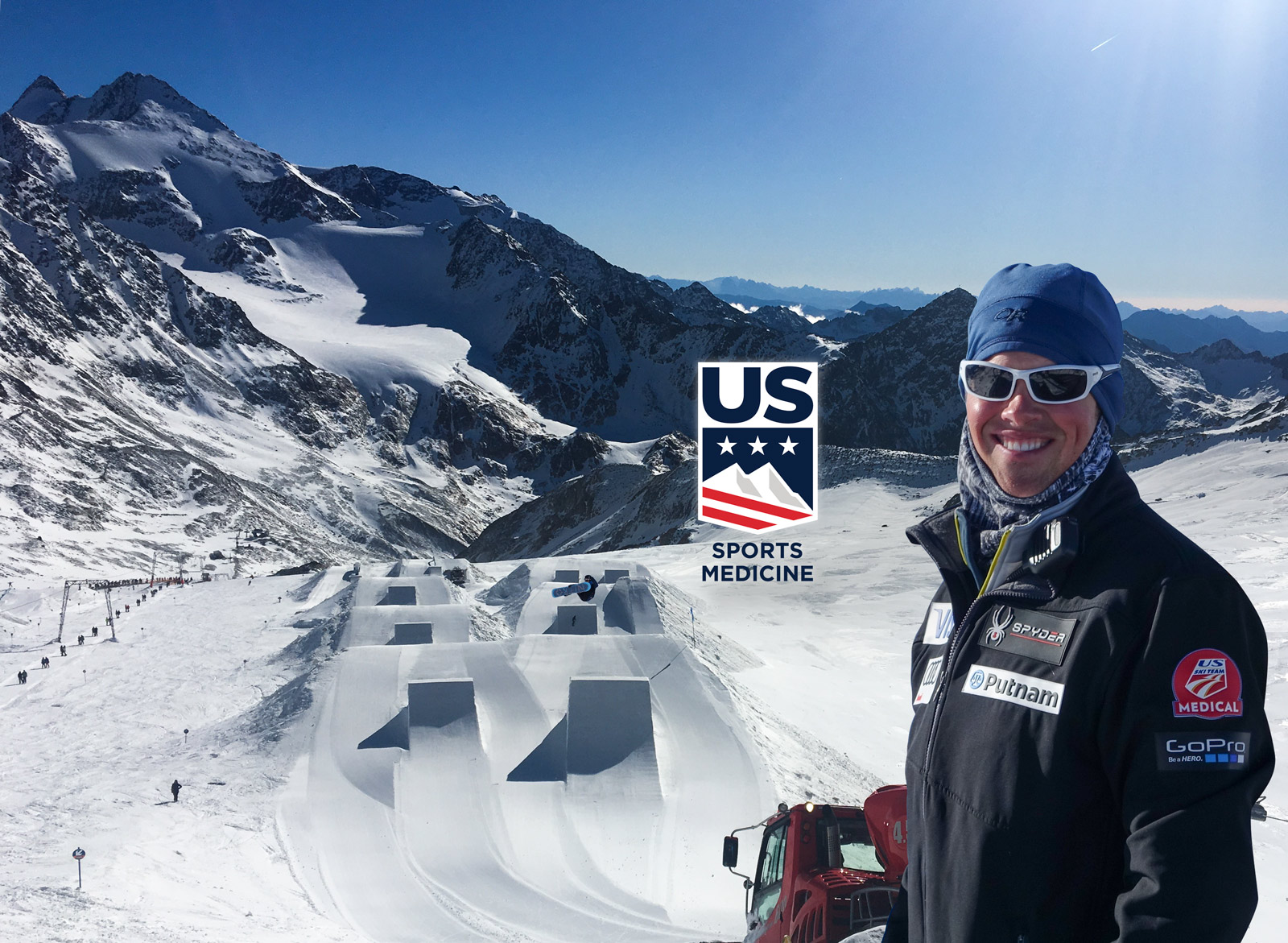
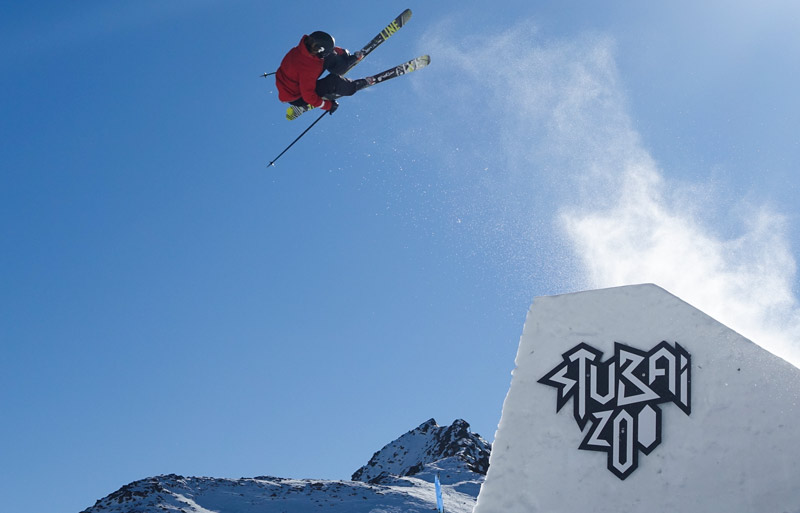
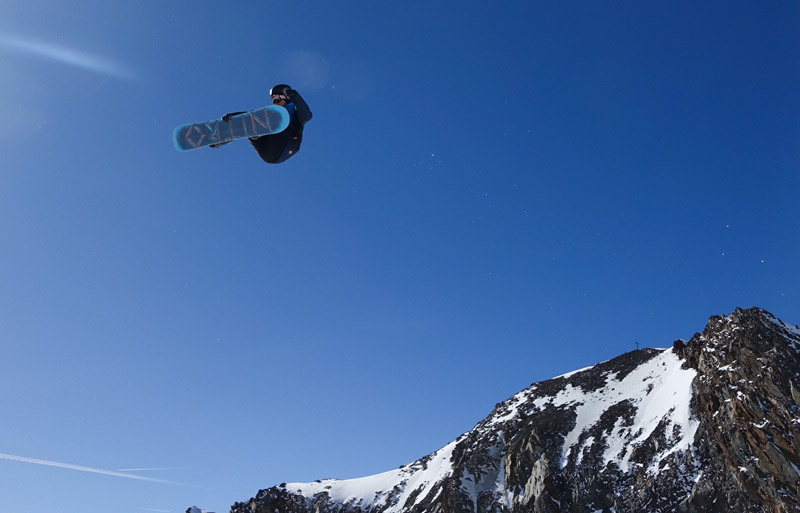
This fall, Dr. Lamblin traveled to the Stubai Glacier in the Austrian Alps to provide medical coverage and support to the professional athletes of the US Ski and Snowboard teams. The slope-style, big-air skiiers and snowboarders were participating in a training camp to perfect their jumps and tricks prior to some upcoming competitions, including the 2018 Winter Olympic Games in Pyeongchang, South Korea. The Stubai Glacier provided a stunning backdrop to the awestriking stunts of the US athletes and their international peers.

Fremont Orthopaedics, Fremont Orthopedics, Dr. Lamblin and Dr. Francisco. Lander and Riverton Wyoming. OrthopaedicAs a member of the US Ski and Snowboard Association Medical Pool, Dr. Lamblin travels intermittently with the athletes to various training and competition events, both domestic and international. His role is to provide immediate medical care and supervision for injuries and illness that occur. Dr. Lamblin treats a range of ailments, from abdominal pain and minor illnesses, to serious orthopaedic and traumatic injuries.


Dr. Lamblin is honored to work with the elite and dedicated athletes who represent the United States. He looks forward to their success at the upcoming Olympic Games. Go Team USA!