
Category: Orthopedic Science and Information

Synvisc Injection FAQs
1. What is a Synvisc injection?
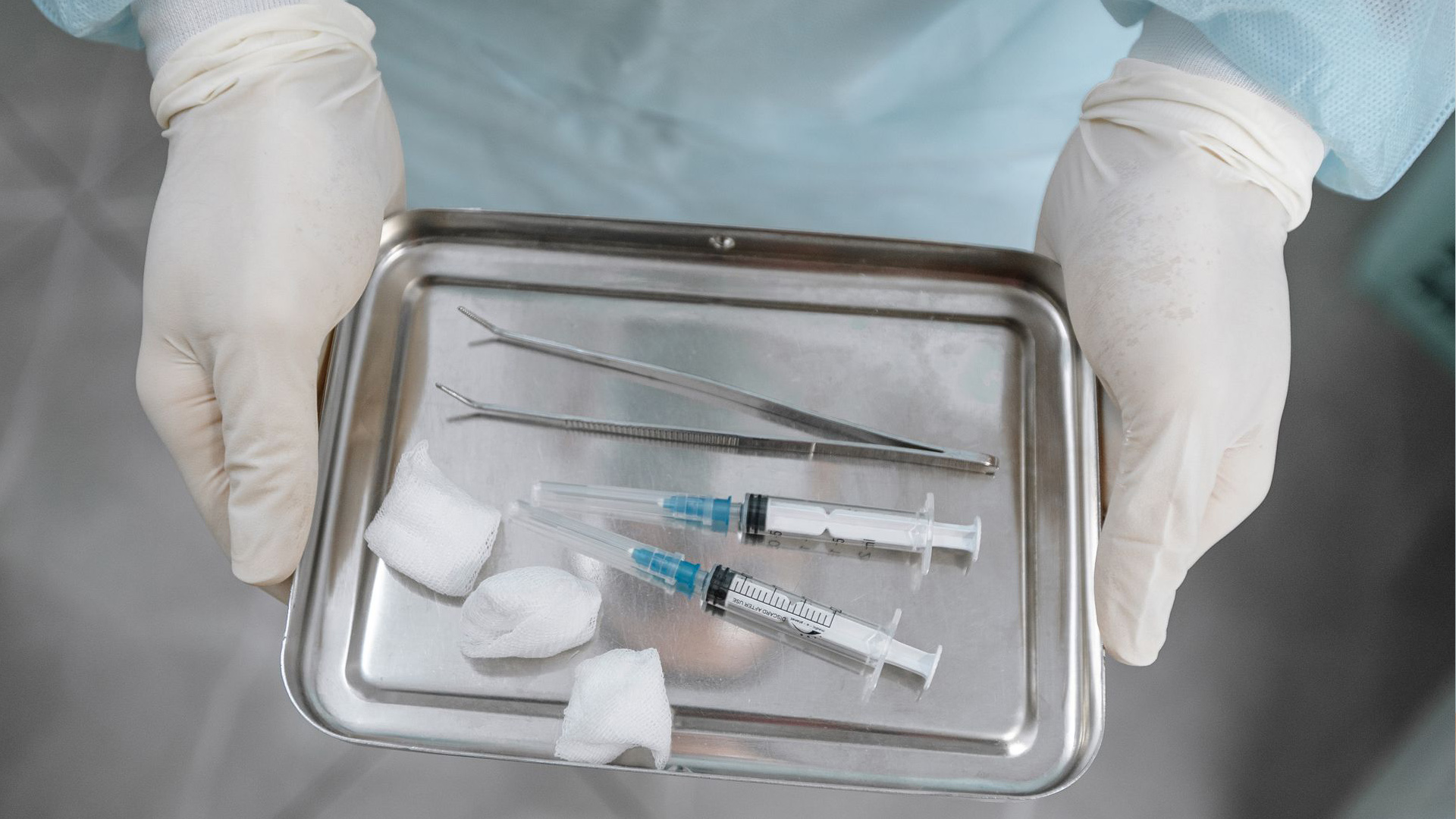
Synvisc (hylan G-F 20) is an injectable gel made from hyaluronan, a substance naturally found in joint fluid. It’s injected directly into the knee to supplement the joint’s natural lubricating fluid, which can break down in people with osteoarthritis. By restoring cushioning and lubrication, it helps reduce pain and improve joint movement. Synvisc is typically given as a series of three injections spaced about a week apart, while its related product, Synvisc-One, is given as a single injection.
2. How does a Synvisc injection work?
Synvisc works through a process called viscosupplementation. The hyaluronan gel supplements the synovial fluid in the knee, restoring its natural shock-absorbing and lubricating properties. This can also stimulate the joint to produce more of its own hyaluronan over time, providing gradual, longer-lasting symptom relief rather than immediate pain relief like a steroid injection.
3. How long does a Synvisc injection last?
Relief from Synvisc injections typically lasts around six months, though results vary from person to person. Some patients experience relief for longer, while others may need repeat treatment sooner. Pain relief is usually gradual rather than immediate, often becoming noticeable within a few weeks of completing the injection series.
4. What are the side effects of a Synvisc injection?
The most commonly reported side effects are temporary pain, swelling, warmth, or fluid buildup at the injection site, usually resolving within 48 hours. Because Synvisc is derived from chicken combs, people with allergies to avian proteins, feathers, or eggs should discuss this with their doctor beforehand. Serious complications, such as joint infection, are rare but possible with any injection into a joint.
25. How many Synvisc injections do you need, and how often?
The original Synvisc formula is typically given as a series of three injections, one week apart. Synvisc-One, a related product, delivers the same treatment in a single injection. Depending on symptom relief and your doctor’s recommendation, the full series (or single dose) can be repeated roughly every six months, though this varies based on individual response and insurance coverage.
Could a SynVisc injection help your knee feel better?
How Does Nutrition Affect Bone Healing?

The human body has a remarkable ability to heal injured tissues, including bones. There are many different internal mechanisms and types of cells that contribute to healing which can be altered by nutrition and lifestyle factors. Following any fracture (broken bone) or surgery that involves the bones, patients can optimize their bone healing through careful attention to nutrient consumption.
Calcium
The most important nutrients for bone health are calcium and Vitamin D, which can be obtained from dietary sources or from supplements. Calcium is an essential “building block” for bones, and should be consumed as a part of each meal. The recommended daily intake of calcium is different based on age and gender, so it is important to talk to your healthcare provider about how much calcium is recommended for you. Many foods contain calcium, and there are many supplements available to help maintain an adequate calcium level for bone health.
Vitamin D
Vitamin D is central to your body’s ability to absorb calcium and make bone cells. Exposure to sunshine helps your body to make Vitamin D, which you can also obtain from food and supplements. Living in areas with limited sunshine or long winters can increase the risk of Vitamin D deficiency, which is associated with several health concerns, including impaired bone health.
Avoidance of Nicotine and Alcohol
Both nicotine and alcohol impair the body’s ability to absorb calcium, which is harmful to bone healing and long-term bone health. Nicotine in any form (smoking, chewing, or vaping) decreases blood flow to the bones, which can further slow the healing process. Women who drink more than 1 alcoholic beverage per day, and men who have more than 2 alcoholic beverages per day, may have decreased Vitamin D and calcium absorption, and may be at a higher risk for falls and injuries. Avoiding or reducing the intake of these substances can help to improve or maintain the health of your bones and other tissues.
Remember…
Eating a well-rounded diet, with plenty of fresh, non-processed foods, is an important way to promote healthy bones and whole-body wellness!
This document contains general guidelines and is not a substitute to your provider’s instructions or an alternative to seeking appropriate medical care or follow-up appointments. For questions or concerns, seek professional medical attention. For medical emergencies, call 911.
To schedule an appointment,
Call us at 307-332-9720
Could Injection Therapy Help You?

Pain Relief and Improved Motion Through Steroid Injections
When people experience pain in a joint such as a knee, hip, ankle, shoulder, or elbow that develops over time, and is not related to a traumatic injury, the underlying cause may be a degenerative condition or inflammatory process. This sort of pain often indicates the development of osteoarthritis, tendonitis, or bursitis. Osteoarthritis results from degeneration, or “wearing down,” of the cartilage that protects the ends of bones where they form a joint. This process causes damage to the joint structures, typically resulting in pain, swelling, and stiffness. Repetitive use or motion may result in inflammatory conditions called tendonitis or bursitis. Tendonitis is irritation of the tendons, the fibrous tissue that attach muscles to bones. Bursitis occurs when small, fluid filled sacks that cushion the joints become inflamed. Many patients experience significant improvements in pain, swelling, and joint mobility after receiving a steroid injection.

How does an injection help with pain and inflammation?
The injection usually contains a mixture of two medications that are injected directly into the structures that are inflamed and painful. One is a local anesthetic (or “numbing medicine”) that offers immediate pain relief. The second is a corticosteroid (or “steroid”). Steroids are powerful anti-inflammatory medications that may offer long acting relief of pain and swelling. Bursitis, tendonitis, and some other forms of inflammation can resolve with injection therapy and rehabilitation. Chronic conditions, such as arthritis, are unlikely to be cured through injection therapy. However, many patients experience significant improvements in pain and stiffness while the steroid medication is active in their joint.
![AdobeStock_284842203-[Converted]](https://www.fremontorthodocs.com/wp-content/uploads/2020/01/AdobeStock_284842203-Converted.jpg "AdobeStock_284842203-[Converted]")
Click to enlarge image
![AdobeStock_144114782-[Converted]](https://www.fremontorthodocs.com/wp-content/uploads/2020/01/AdobeStock_144114782-Converted-2.jpg "AdobeStock_144114782-[Converted]")
Click to enlarge image
How long does the injection take to work and how long does it last?
Although patient results can vary, the numbing medication typically takes effect within 15 minutes and helps to relieve pain following the injection, while also confirming that the medications are in the desired locations. This numbing effect will gradually wear off over the next 6-12 hours. The steroid medication will take effect more slowly, starting to reduce inflammation over the next 2-3 days. Most patients experience the peak effect of the steroid within 4-7 days and continue to experience pain relief and improved mobility for 2-4 months or more, while the steroid medicine remains active. Tendonitis or bursitis may completely resolve following a single injection. Patients with chronic conditions such as osteoarthritis may opt to periodically repeat injections based on their individual progress and goals.
How do I know if I am a good candidate for injection therapy?
Our providers help patients decide if injection therapy may be a good option for them through a clinic visit that includes an examination, a thorough discussion, and often x-rays. Steroid injections are one component of your treatment plan. You and your provider may also discuss other treatment options such as physical therapy, bracing, or other medication options. Provider recommendations are tailored to each patient’s unique lifestyle and recovery goals.
To schedule an appointment, Call us at 307-332-9720
Wide Awake Hand Surgery – “WALANT”

Dr. Francisco explains wide awake hand surgery.
Hand Surgery has traditionally been performed with the use of a tourniquet in order to provide better visualization. However, a tourniquet can be quite painful for the awake patient, making anesthesia necessary.
An alternative to tourniquet hand surgery is to use two medications administered locally to accomplish surgery in a safe, painless manner. Lidocaine blocks pain, and epinephrine stops bleeding. This technique is known as “WALANT”-Wide Awake Local Anesthesia No Tourniquet. Because the patient no longer requires anesthesia, these procedures can be performed in an office based setting, utilizing a sterile field and instruments.
WALANT hand surgery is very similar to going to the dentist for a procedure. There is no need for fasting or preoperative testing. Fremont Orthopaedics is now offering WALANT for select procedures, including trigger finger release, cyst removal, carpal tunnel release, nailbed repair, and tendon repair. Talk to our surgeons to find out whether WALANT surgery could be an option for you.
The Advantages of WALANT Hand Surgery Are:
- No need to spend time and money to obtain preoperative testing (labwork, EKG, etc)
- Avoid costs associated with anesthesia (anesthesiologist, medications, monitoring)
- No need for IV
- Spend less time and money at surgery center
- Less time spent preoperatively being interviewed by anesthesiologist
- Less time spent postoperatively being monitored by recovery nurse
- Get to talk to surgeon during the surgery for post-operative advice on how to care for hand, rehabilitation, etc.
- Get to see repaired structures working during the surgery. (For example, repair of tendon lacerations or tendon transfer to ensure appropriate tension)
- For the patient this can improve understanding of the repaired pathology to enhance compliance in rehabilitation
- For the surgeon, the ability to see a repaired structure in action can avoid complications and increase likelihood of good outcome
- No need to fast and can resume regular diet immediately
- No need to change medication schedules
- Diabetics can maintain their medication regimen since their diet is uninterrupted
- Patients who require blood thinners can generally continue them. Avoid risks associated with being off blood thinner
Patient Satisfactions:
100 consecutive patients were polled postoperatively
- 91% found it was less painful or comparable to procedures done under local at the dentist’s office.
- 86% would prefer to be awake for further hand surgery
- 90% would recommend wide awake surgery to a friend