CARPAL TUNNEL PART II: Dr. Francisco Explains the Surgical Options


Fremont Orthopaedics


Better Health Blog

Carpal Tunnel Syndrome

September 2018

Carpal Tunnel PART II:
Dr. Francisco Explains the Surgical Options

Fremont Orthopaedics, Fremont Orthopedics, Dr. Lamblin and Dr. Francisco. Lander and Riverton Wyoming.

Dr. Francisco, MD

What does carpal tunnel surgery entail?
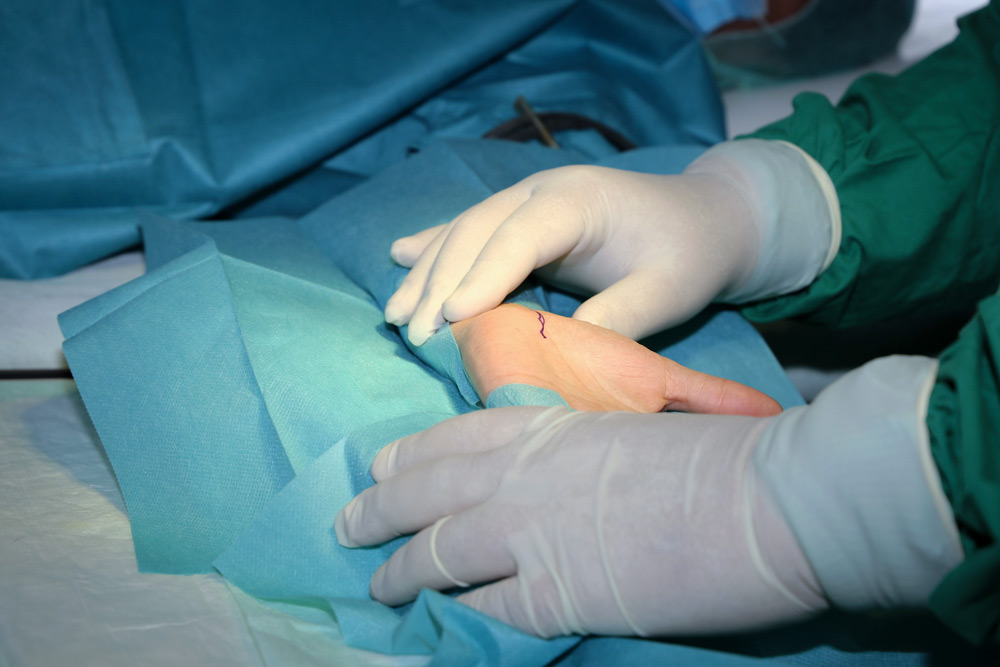
Carpal Tunnel surgery, Lander WyomingThere are two variations of carpal tunnel surgery—open release versus endoscopic release. They both accomplish the same thing–the ligament that forms the roof of the carpal tunnel is divided, which in turn gives the median nerve more space thereby relieving the pressure on the nerve.

When I perform an open carpal tunnel release I make a small incision in the palm that is about an inch long and divide the ligament that is the roof of the carpal tunnel. The benefits to doing an open surgery is that it is slightly safer, but the downside is that the incision is in the palm, which makes the recovery process slightly longer.

In an endoscopic carpal tunnel release I make a small incision at the base of the wrist and then use a special camera, instruments, and knife to divide the ligament that forms the roof of the carpal tunnel. The benefits of endoscopic release are a quicker recovery, but there is a slightly higher risk of complications.

I don’t have a strong bias one way or the other on how the surgery is performed. I am well trained and have ample experience in providing both surgeries. I’ll have a discussion with the patient before surgery and we’ll make the decision together about which surgery will be performed.

What is the recovery process from carpal tunnel surgery like?

Both types of carpal tunnel surgery are performed on an outpatient basis, meaning that the patient returns home within a few hours of the procedure. After surgery is completed, the patient is discharged home with only a soft dressing that is removed 2-3 days after surgery and the incision is covered with a band-aid. I encourage patients to begin making a full fist immediately after surgery. There are no restrictions for most types of work, other than if a patient performs manual labor. If a patient’s job involves manual labor, I want the incision to be completely healed before resuming work. If a patient attempts to return to manual labor too early, it can cause them pain and significant discomfort. Generally speaking, I tell patients to plan on a few days to 2 weeks away from work. This is once again dependent upon what type of work they do–manual labor is not the same as clerical work.

What kind of outcome can I hope for from carpal tunnel release?

Carpal tunnel surgery is one of the most successful surgeries across all surgical disciplines. The pain that people are experiencing prior to surgery is gone immediately. They do have pain from the incision, but this is a different type of pain. I often have patients tell me that for the first time in months, or even years, they actually slept through the night after surgery. Numbness and tingling can take weeks to months to disappear. If the patient had very dense numbness for many years it may never go away completely, but it will improve. Also, weakness takes months to improve. Generally speaking, nearly all patients make a full recovery, but this is dependent on the severity of the problem before surgery. Surgery is likely a lifetime cure, but some people do have a recurrence of symptoms years into the future, which can be effectively dealt with.

If I am concerned that I have carpal tunnel syndrome what should I do?

I would encourage you to make an appointment to see me. I will visit with you about your symptoms and examine you and then make recommendations based on what I see. We will have a discussion about what course of treatment you want to pursue based on my findings and recommendations. My goal is to help you feel better and to have a more productive life however that is accomplished.


See article by the AAOS for further reading:
https://www.orthoinfo.org/en/diseases–conditions/carpal-tunnel-syndrome/

Dr. Francisco Explains Carpal Tunnel Syndrome

Carpal Tunnel Syndrome

August 2018

Dr. Francisco Explains Carpal Tunnel Syndrome

Fremont Orthopaedics, Fremont Orthopedics, Dr. Lamblin and Dr. Francisco. Lander and Riverton Wyoming.

Dr. Francisco, MD

What is carpal tunnel syndrome?

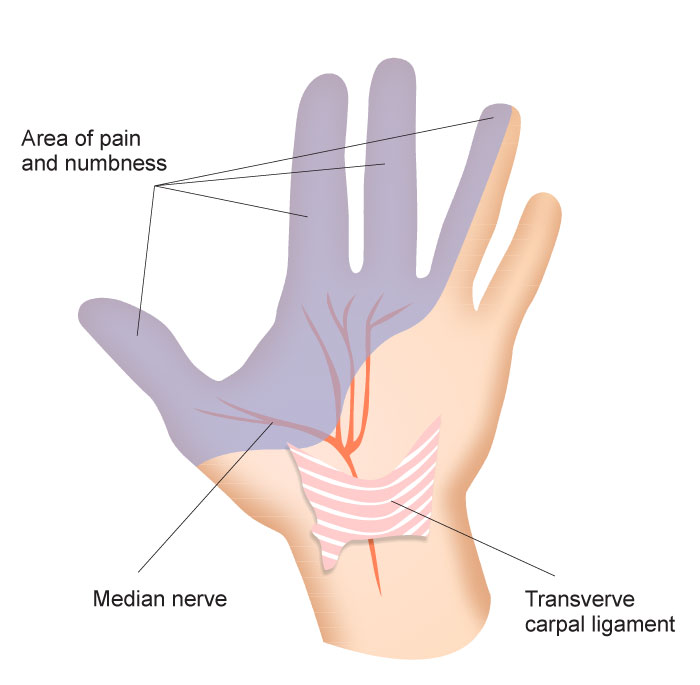
Carpal tunnel syndrome is most often the result of chronic compression of the median nerve at the wrist.  The median nerve enters the hand through the carpal tunnel of the wrist, which is a small box made up of bones on three sides and a thick ligament over the top.  In the box there are nine tendons and the median nerve.

There are different theories about what actually causes compression of the median nerve in the carpal tunnel—repetitive motions at work, thickening of the tendon sheaths in the carpal tunnel, or anatomic predispositions.  Regardless of the exact cause, or the summation of multiple causes, the end result is the same—the median nerve doesn’t have as much room in the carpal tunnel, it gets compressed, and subsequently people develop the characteristic symptoms of carpal tunnel syndrome.

What are the symptoms of carpal tunnel syndrome?

In the hand, the median nerve supplies sensation to your thumb, index, middle, and half of your ring finger.  It also makes the muscles on the thumb side of your hand function.  So, when the median nerve is compressed, it results in pain, numbness, tingling, weakness, and in the end stages permanent loss of muscle.  Patients typically experience worsening of symptoms at night.  They often wake up with their fingers being numb.  Other common times when the symptoms are worse are when people are driving their car, or talking on the phone.  As the symptoms worsen, people start to have weakness—they can’t open jars, or they spontaneously drop things.  Their fingers may also become numb all of the time. ions of the sport.


How is carpal tunnel syndrome treated?

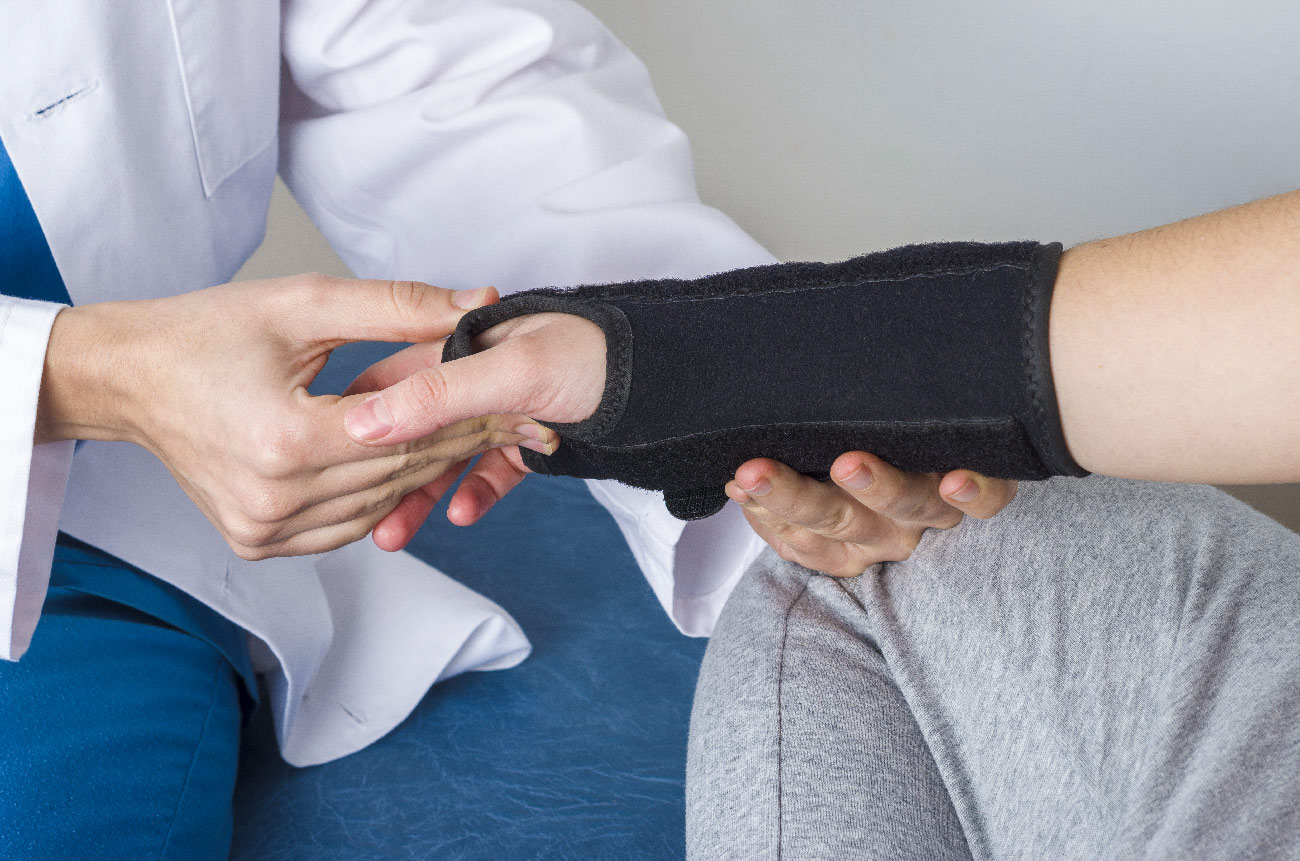
For a classic case of carpal tunnel syndrome, I try to treat people without surgery first.  Often simple things will make a significant difference and reduce the symptoms that patients are experiencing.  One major cause of carpal tunnel syndrome is that people often sleep with their wrists flexed.  This causes an increase in pressure in the carpal tunnel, and subsequently, the median nerve is compressed resulting in the symptoms of worsening pain, numbness, and tingling at night.  Therefore, providing the patient with a splint to wear at night will help.

Many times though, people have already worn splints at night before they see me.  This is where a physical exam and talking to the patient helps significantly in the decision making process.  If the symptoms and complaints seem mild to moderate, and the patient isn’t having significant weakness, then I typically offer the patient a steroid injection into the carpal tunnel.  This serves three purposes.  First, it reduces inflammation around the median nerve and people typically have complete, albeit, temporary relief of their symptoms (usually 3-4 months).  Second, it helps me to confirm the diagnosis of carpal tunnel syndrome if the patient has a good response to the steroid injection.  Third, if the patient has a good response to the injection, surgery, if needed or desired, is more likely to be just as successful.

If the symptoms are severe, constant, and have been present for multiple years and I see loss of muscle when I examine the patient, then I would be more apt to discuss surgery as part of the treatment plan.

In our next blog post, Dr. Francisco will discuss more questions about carpal tunnel surgery.


See article by the AAOS for further reading: https://www.orthoinfo.org/en/diseases–conditions/carpal-tunnel-syndrome/

How to Prevent and Treat Sports Injuries

Injury Prevention

June 2018

How to Prevent and Treat Sports Injuries

Fremont Orthopaedics, Fremont Orthopedics, Dr. Lamblin and Dr. Francisco. Lander and Riverton Wyoming.

by Dr. Cory Lamblin and Staff

Fremont County’s Active Summer Lifestyle Events

Summer in Fremont County offers an abundance of sports and recreation activities. Events such as the upcoming Challenge for Charities Half-Marathon/Races, International Climbers’ Festival, and the Jurassic Classic Mountain Bike Festival have many athletes out training on the local trails, crags, and roads. Our student athletes are participating in sports camps and training sessions over the summer break. Despite the multiple benefits of fitness activities, risk of injury is inherent in all sports. Dr. Cory Lamblin, an orthopedic surgeon and sports medicine specialist at Fremont Orthopaedics, knows that many sports injuries are potentially preventable—which is good news!

Dr. Lamblin explains, “Other than traumatic injuries, such as collisions or falls, many sports injuries are the result of improper training or technique. For example, some knee injuries are the result of a person participating in a sport that places stress on the knee joint without performing other exercises to strengthen the supporting muscles surrounding the knee. Using proper technique, understanding your general health, and listening to your body are paramount in injury prevention.”

Tips to help you prevent painful sports injuries, Lander and Riverton Wyoming

Tips to help you prevent painful sports injuries

Consider these basic tips to help prevent sports injuries:

  • Always warm up before you exercise. A gradual warm-up can go a long way to prevent injuries. Your warm-up can consist of gentle stretching, yoga, walking/jogging or simply doing your regular activity at low intensity.
  • Don’t work out on empty; ensure that you are adequately fueled/hydrated prior to working out. Calorie deprivation and dehydration cause fatigue; fatigue promotes sloppy form. For longer workouts, games, or events, plan ahead to replace lost fluids and supplement calories at specific intervals. Avoid longer than 60 min of intense exercise with out refueling to maximize performance and recovery.
  • Gradually increase time and intensity. When starting an exercise program or a new sport, it’s easy to go too hard, too soon.
  • Cross train. In addition to helping reduce workout boredom, cross-training helps train your entire body without over stressing individual muscles, ligaments, and tendons. Variety in your workout routine helps to prevent overuse injuries.
  • If you’re participating in a sport, make sure you use the proper gear – even when you’re just practicing. It’s also important to have a clear understanding of the rules of the game and safety precautions of the sport.
  • Listen to your body. If you experience any sharp pain, weakness or light-headedness, pay attention. This is your body’s signal that something is wrong and you should stop what you’re doing. Pushing through acute pain is the fastest way to develop a severe or chronic injury.
  • Take time for rest and recovery. In addition to getting enough sleep, it is important to take some rest days. Working out too much for too long can lead to fatigue, injury, and possibly reduce your immunity. The amount of rest needed depends on current workout volume/intensity, fitness level, and upcoming events. Getting to know your body and its response to exercise is very valuable.


R.I.C.E. to the Rescue to Reduce Pain and Speed Recovery

If you sustain a contusion or strain/sprain a muscle, ligament, or tendon, Dr. Lamblin suggests the tried-and-true R.I.C.E. therapy. “R.I.C.E therapy is recommended for almost every sports-related injury and it is something that athletes can initiate on their own, immediately. These treatments combat inflammation, and therefore, are quite effective at reducing pain and expediting recovery.”

  • Rest – the injured area for at least 48-72 hours. “I can’t adequately emphasize how important it is to rest when you’re tired or hurt,” Dr. Lamblin said. “Pain is a sophisticated monitoring system of your body’s progress after an injury. Exercising through acute pain is more likely to prolong recovery time or transform an acute injury into a chronic, recurrent condition. While you’re healing, you can try another activity that doesn’t stress the injured area. Absence of pain is very reassuring in most cases. Slowly resume your regular activity only when you’re free of pain. If pain recurs, you need more time to heal.”
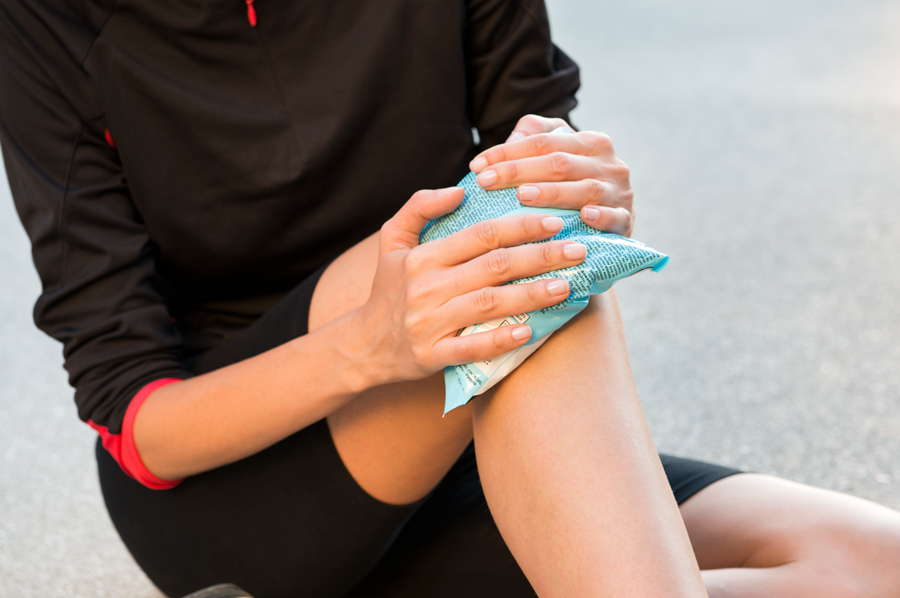
  • Ice – apply ice or cold packs for 20+ minutes several times a day for the first 72 hours or until swelling subsides. Do not apply ice directly to bare skin.
  • Compression – wrap the injury with an Ace bandage to reduce swelling and provide comfort. If the limb below the Ace wrap is turning purple or swelling or you begin to experience numbness or tingling, the wrap is too tight.
  • Elevation – use pillows to elevate the injured extremity at or above the level of the heart as often as possible.

For serious orthopedic injuries or sports injuries that are not improving with the above techniques, call Fremont Orthopaedics to schedule an appointment (307)332-9720. Our physicians are proud to offer excellent and local care for a wide spectrum of musculoskeletal injuries.