


I have a splint or cast. What do I need to know about it?
Common Questions on Casts and Splints

March 2019

I have a splint or cast. What do I need to know about it?

Fremont Orthopaedics, Orthopedics, Lander, Riverton

by Drs. Lamblin and Francisco and staff

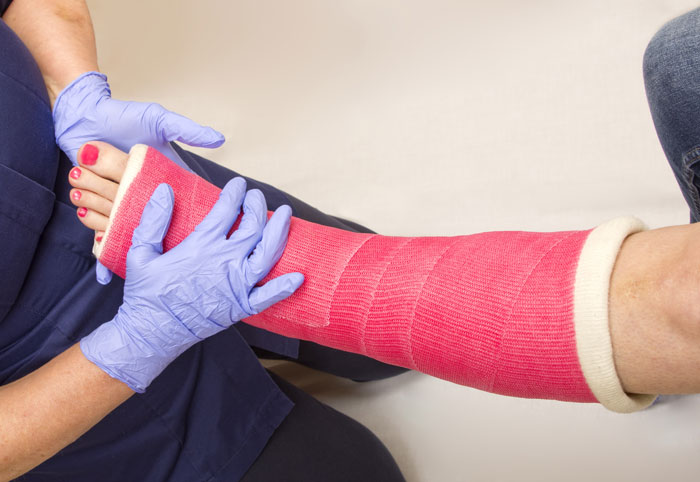
The splint or cast will help to hold your bone in proper alignment for the fracture to heal. While casts and splints offer protection from the outside environment, they do not function as “body armor”. You still need to use common sense and follow your doctor’s instructions to protect the extremity from outside injury.

KEEP IT DRY, CLEAN, AND INTACT

It is most important to keep the splint clean and dry. Don’t pull on the exposed padding, as this is intended to protect your skin from rough edges on the cast or splint. Cover the splint with a plastic bag for bathing and even when covered, don’t attempt to submerge the cast or splint. If it becomes slightly damp, you may attempt to dry it out with a hair dryer on low heat. However, if the splint or cast is saturated or you are having significantly increased odor or skin irritation, you need to schedule an appointment to have the cast or splint changed or seek evaluation at an urgent care center.

I have a splint or cast. What do I need to know about it?

“IT ITCHES!”

Most patients experience intermittent itching under a cast or splint. In general, the best therapy for itching is distraction because the itchy sensation will subside on its own. Sometimes, it is helpful to scratch the same spot on the opposite limb. Do not stick any “scratching utensils” inside the cast or splint because items may break off, become stuck in the splint, or disrupt the inner padding, all of which can cause skin wounds under the cast itself.

THE FIT SHOULD BE SNUG, BUT NOT TIGHT

To be effective, a cast or splint must effectively immobilize the fractured bone in the proper position for the bones to heal. Therefore, the fit does need to be snug. However, it should not be so tight that your extremity below the cast or splint is turning blue, purple, feels numb or tingly or cold to the touch. Conversely, the fit should not be loose enough to allow your limb to be moving or sliding inside of the cast or splint. Sometimes, a cast or splint needs to be adjusted over time to accommodate changes in swelling levels or to fit to the extremity. Contact your physician’s office if you have concerns about your cast or splint fit and seek emergency care if you have any concerns about compromised circulation to your casted or splinted limb.

I have a splint or cast. What do I need to know about it?

GUIDELINES FOR REMOVABLE SPLINTS

Some injuries can be effectively treated in splints that are removable. Your physician will specifically indicate if it is okay for you to briefly remove your splint for bathing. It is important that you only remove the splint if your physician has given you clearance to do so and for the specific activity or timeframe that they recommend. Your splint fit may be adjusted using the straps or dial mechanism according to the fit guidelines above. The splint fit should not be so loose that you are able to remove the splint without loosening the straps or dial. Parents need to supervise the adjustment of splint fits for children.

Drs. Lamblin and Francisco Answer Common Questions on Fractures.
Common Questions on Fractures

February 2019

Drs. Lamblin and Francisco Answer Common Questions on Fractures.

Fremont Orthopaedics, Orthopedics, Lander, Riverton

by Drs. Lamblin and Francisco

We are deep into ice and snow season here in Fremont County. The Fremont Orthopaedics team tends to see an increase in broken bones related to slips and falls on slippery, hard surfaces. Wrist fractures and hip fractures are especially common this time of year. Below, our doctors answer some common questions related to fractures.

What is a fracture?

A fracture is any complete or incomplete break in the bony structure of the skeleton. A fracture is not “a less severely broken bone”. Fractures occur in a variety of patterns depending on the cause of the injury and the health of the bone structure.

How are fractures treated?

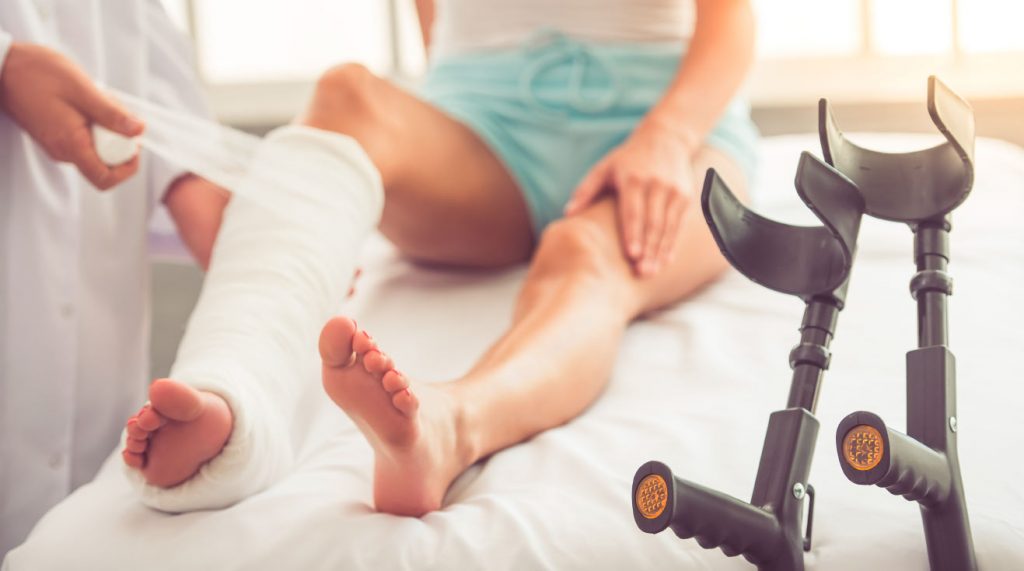
Fracture treatment varies based on location, type, and severity of fracture in combination with a patient’s age, health, and level of activity. The primary goal of fracture care is to restore alignment of the bone so that it can heal in a normal position and allow normal function of the extremity. Many fractures are treated by external stabilization of the broken bone, i.e. a cast, splint, or brace. Some fractures require manipulation of the bone fragments into an anatomical position before being placed in a cast or splint (this is known
as “closed reduction”). Certain fractures will require a surgical procedure to adequately stabilize the broken fragments.

What can I do to treat pain related to a fracture?

Fractures can be quite painful. The body responds to a broken bone by producing swelling and inflammation at the site of the fracture. The most effective way to treat pain is to combat the inflammation and swelling through icing and elevation of the injured limb.

  • ICING: Never apply ice to bare skin. Ice the extremity for periods of 20-30 minutes. If it is difficult to apply ice because of a bulky cast or splint, it is still helpful to apply ice up higher on the injured limb, above the cast or splint.
  • ELEVATION: In a reclining position, use pillows to support the limb comfortably as high as possible above the level of your heart. Ideally, the injured limb will rest 6-20 inches above your heart.
  • MEDICATION: Medication can be helpful to alleviate the discomfort associated with a fracture. Over the counter medications such as acetaminophen, Tylenol, ibuprofen, Advil, Motrin, naproxen and Aleve may be taken at regular intervals in accordance with the package instructions. Take care to ensure that Tylenol (acetaminophen) use from all sources (over the counter medications and prescription drugs) does not exceed 3000 milligrams (3 grams) per day. If you drink regularly or have liver disease, discuss appropriate acetaminophen dosing with your physician.

How long will a fracture take to heal?

Simple fractures in healthy adults will typically heal in about 6 weeks. More severe fractures or highly fragmented fractures, especially those involving joints, can take 3 months or more to heal. Patients who use nicotine, have diabetes, anemia, or conditions which require steroid medications typically have longer healing times. Satisfactory healing of the bone in good alignment is monitored by examination and x-rays over several months.

What things can I do to help my fracture heal?

ICE AND ELEVATE to limit swelling and inflammation during the first 3-7 days.

EATING A BALANCED DIET that includes calcium and vitamin D will help your
body build bone to heal the fracture. For older people, adequate dietary calcium and Vitamin D, in conjunction with weight-bearing exercise, may help to prevent further fractures.

STOP SMOKING/TOBACCO USE. People who use nicotine have impaired healing and are far more likely to suffer from chronic nonunion of fractures, which may cause chronic pain and disability.

MANAGE CHRONIC HEALTH CONDITIONS. Work with your primary care physician to responsibly manage conditions such as diabetes and anemia. The more well controlled these conditions are, the better your fracture will heal.

STICK TO THE PLAN. Follow your doctor’s recommendations for activity restrictions. Pain often subsides long before the fracture is fully healed. Just because it doesn’t hurt doesn’t mean that you are ready for return to full activities.