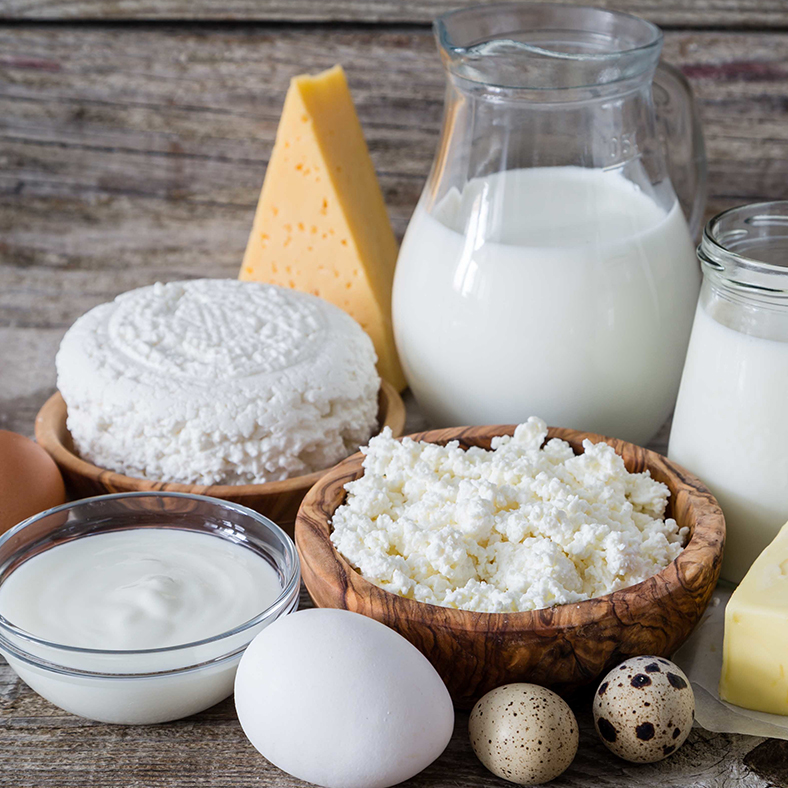
How Does Nutrition Affect Bone Healing?

The human body has a remarkable ability to heal injured tissues, including bones. There are many different internal mechanisms and types of cells that contribute to healing which can be altered by nutrition and lifestyle factors. Following any fracture (broken bone) or surgery that involves the bones, patients can optimize their bone healing through careful attention to nutrient consumption.

Vitamin D
Vitamin D is central to your body’s ability to absorb calcium and make bone cells. Exposure to sunshine helps your body to make Vitamin D, which you can also obtain from food and supplements. Living in areas with limited sunshine or long winters can increase the risk of Vitamin D deficiency, which is associated with several health concerns, including impaired bone health.
Avoidance of Nicotine and Alcohol
Both nicotine and alcohol impair the body’s ability to absorb calcium, which is harmful to bone healing and long-term bone health. Nicotine in any form (smoking, chewing, or vaping) decreases blood flow to the bones, which can further slow the healing process. Women who drink more than 1 alcoholic beverage per day, and men who have more than 2 alcoholic beverages per day, may have decreased Vitamin D and calcium absorption, and may be at a higher risk for falls and injuries. Avoiding or reducing the intake of these substances can help to improve or maintain the health of your bones and other tissues.


Remember...
Eating a well-rounded diet, with plenty of fresh, non-processed foods, is an important way to promote healthy bones and whole-body wellness!
This document contains general guidelines and is not a substitute to your provider’s instructions or an alternative to seeking appropriate medical care or follow-up appointments. For questions or concerns, seek professional medical attention. For medical emergencies, call 911.